Understanding Color Print Out Pricing
In Singapore, the cost of color printing varies widely and is influenced by multiple technical, material, and volume-related factors. Recognizing the elements that contribute to pricing helps consumers make informed decisions and select printing services that align with their budget and quality expectations.

Technical Aspects Impacting Cost
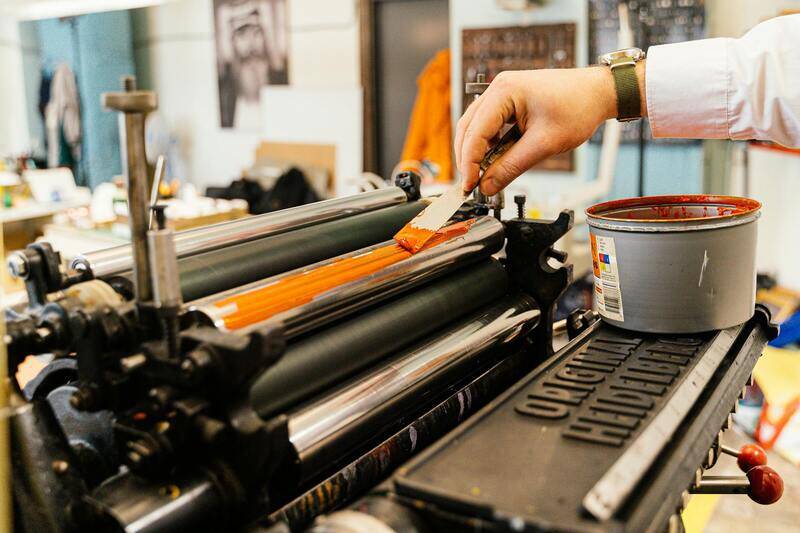
High-quality color output requires advanced printing technology, such as digital or offset presses. The type of printer used impacts pricing significantly. Digital printers, suitable for short runs and quick turnaround times, may charge more per page compared to offset printing, which becomes economical for large-volume jobs. The resolution settings, color management, and the intricacy of color gradients also influence the printing cost, with higher detail and color accuracy demanding more precise machinery and materials.
Material and Substrate Considerations
The choice of paper or media plays a crucial role in determining the overall price. Standard options like gloss or matte paper are often more affordable, while specialty media such as textured, waterproof, or thicker cardstock incur higher costs. Printing on larger or custom-sized media also increases expenses due to additional setup time and material use. Protective finishes such as lamination or mounting further add to the total cost but are essential for durability and aesthetic appeal.
Order Quantity and Volume
Volume plays a strategic role in determining per-unit print costs. Small orders typically entail higher costs because setup fees, such as file preparation and machine calibration, are distributed over fewer pieces. Conversely, bulk printing reduces the overall cost per item, making large projects more economical. Proper planning and batching of printing jobs can optimize expenses, especially for frequent or ongoing material production.
Additional Factors and Service Specifications
- Color Complexity: Multi-colored designs or images with elaborate gradients may require more ink and time, thus increasing costs.
- Finishings: Options like embossing, spot varnish, or custom coatings augment the price but significantly enhance the final product's appeal.
- Turnaround Time: Fast delivery options often carry premium charges due to expedited processing and logistics.
- Print Size: Larger prints or banners consume more material and ink, raising the price.
Summary
Understanding the various factors influencing color print out prices enables consumers to better plan their projects and budgets. Engaging with reputable providers who transparently communicate their pricing structure and offer tailored solutions ensures the desired quality at a competitive rate. When assessing costs, consider technical specifications, material choices, order volume, and any additional finishing requirements, all of which collectively shape the final price.
Understanding Color Print Out Pricing
Calculating the cost of color printing involves a comprehensive assessment of several key elements that influence the total price. These factors ensure that customers receive detailed and tailored quotations fitting their specific project requirements. Recognizing these components helps in planning budgets and selecting the most suitable printing options, particularly when ordering through reliable sources like happyprintshop.com.
Core Factors Influencing Color Print Out Prices
- Design Complexity: Intricate, multi-colored designs often require more ink, time, and attention to detail, which can proportionally increase costs. Designs with elaborate gradients or a wide color palette tend to be more expensive than simpler color schemes.
- Print Size and Dimensions: Larger formats such as banners or posters naturally consume more media substrate and ink. As the surface area increases, so does the expense, especially for custom sizes or special dimensions.
- Material and Finish Choices: The selection of media materials—including gloss, matte, or textured papers—affects pricing. Additional finishing options like lamination, embossing, or spot varnishing further elevate costs, but contribute significantly to the final aesthetic quality.
- Order Volume: Small orders generally involve higher per-unit costs due to setup fees. On the other hand, bulk printing reduces the unit price by spreading setup and preparation costs across a larger number of prints. Strategic batching and planning of print runs optimize overall expenditure.
- Turnaround Time: Standard processing times usually offer cost-effective rates, whereas expedited or rush services incur premium charges. These premiums compensate for the accelerated workflow and logistics management involved.
- Color Fidelity and Ink Density: Achieving precise color matching or high ink density that enhances vibrancy may require additional processes or specialized inks, escalating the overall price.
In the context of seeking accurate and competitive pricing, it is essential to engage with experienced printing providers who Transparently communicate their pricing structures. Such providers can offer tailored solutions considering all relevant specifications and desired outcomes, ensuring high-quality results at reasonable rates.
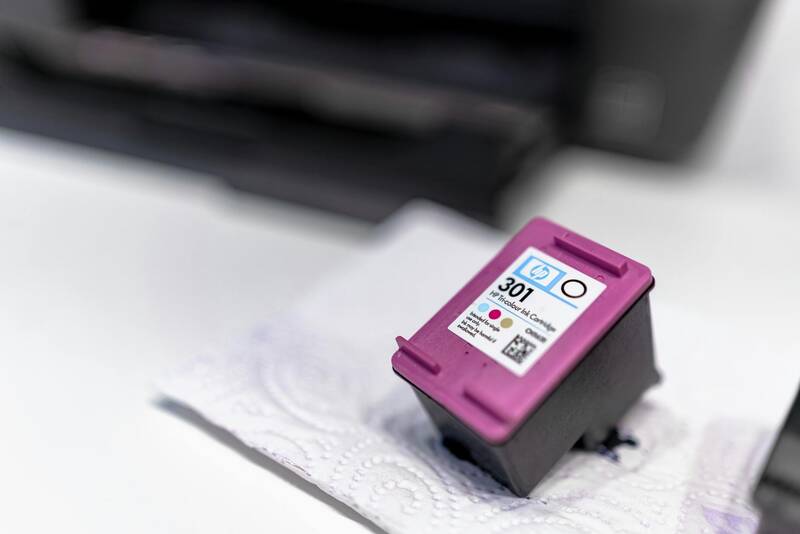
Budget-conscious customers should also evaluate specific service features, such as durability, color richness, and additional finishing options, to assess overall value. By understanding how these elements contribute to the total cost, clients can make informed decisions that balance quality and expenses effectively.
Understanding Color Print Out Pricing
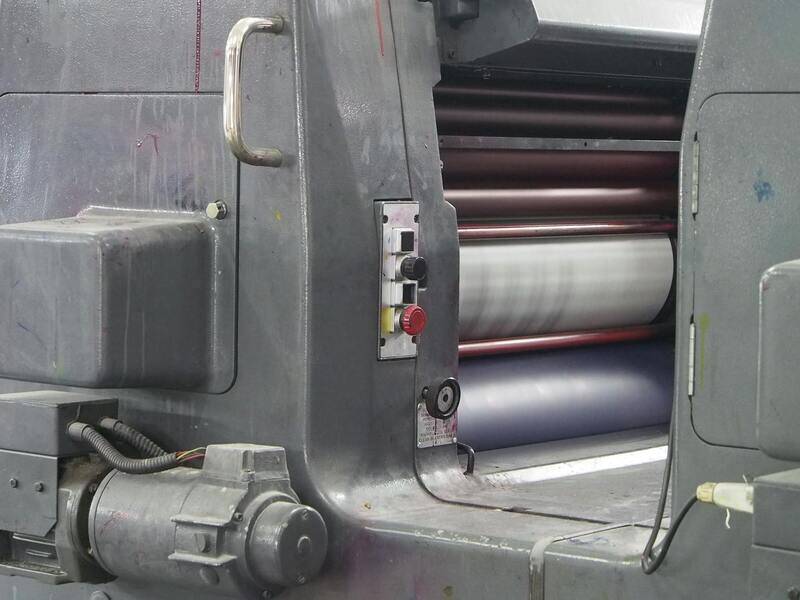
When evaluating the costs associated with color print out services, several critical factors come into play that influence the final expense. To ensure clients receive accurate estimates, it is vital to comprehend how these variables interact and contribute to the overall pricing structure. This understanding helps in making informed decisions, balancing quality requirements with budget constraints.
Key Factors Influencing Color Print Out Prices
Pricing for color printing is inherently complex due to multiple interconnected elements. Each of these factors can either escalate or reduce the total cost depending on their specific characteristics and the choices made during the printing process.
1. Print Size and Volume
The dimensions of the print significantly affect the unit price. Larger sizes, such as banners or posters, typically incur higher costs because of increased material usage and longer printing times. Conversely, bulk orders often benefit from volume discounts, spreading setup and preparation expenses over a larger number of prints. Strategically batching large projects minimizes per-unit costs, especially for high-volume runs, making it a cost-efficient approach for businesses seeking extensive printed materials.

2. Material Selection
The choice of media — whether standard poster paper, vinyl, or premium materials — directly influences the price. Higher-quality or specialty materials that offer durability or water resistance elevate costs due to their inherent value and handling requirements. Material costs are also affected by the thickness, texture, and compatibility with advanced printing techniques, which ensure vibrant color accuracy and longevity of the final product.
3. Color Complexity and Fidelity
The intricacy of the design, including the number of colors used and the need for precise color matching, impacts the price. Achieving high color fidelity often necessitates specialized inks and calibration processes, increasing expenses. Designs with gradients, photo-realistic images, or detailed artwork require more advanced print settings and ink coverage, adding to the overall cost.
4. Finishing and Additional Services
Optional enhancements such as laminations, gloss or matte coatings, mounting, or folding impose extra charges. These finishing steps extend the production timeline and material costs but significantly enhance the aesthetic appeal and functional lifespan of the prints. Clients prioritizing professional presentation and durability should consider these factors as part of their budget planning.
5. Turnaround Time
Standard processing times typically offer more economical rates, with expedited or rush services commanding premium prices. The faster the turnaround, the more resources are diverted to manage logistics and workflows, resulting in higher costs. Clients with flexible schedules benefit from scheduling print jobs in advance to optimize pricing and resource allocation.
6. Design Complexity and Preparation
Designs requiring extensive preparation, such as file adjustments, color corrections, or layout modifications, may incur additional fees. Providing print-ready files that meet specified resolution and color standards helps streamline the process, reducing associated costs and avoiding delays.
Tailoring Cost Estimates Through Consultation
To obtain precise and competitive pricing, engaging with trusted printing service providers who transparently communicate their pricing structure is essential. Providers who take into account all relevant specifications, from design intricacies to material preferences, can offer tailored solutions that align with the client's budget while meeting quality expectations.
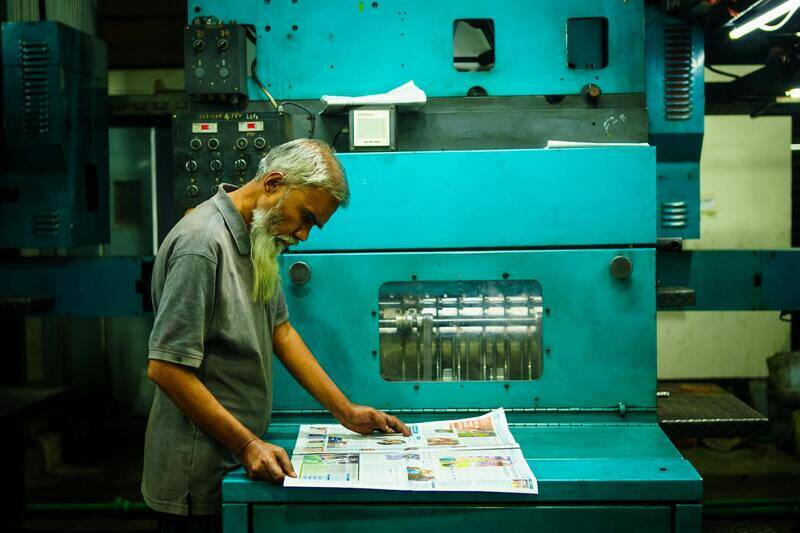
Assessing specific service features such as durability, vibrancy, and finishing options allows clients to gauge overall value. Investing in higher-quality materials or finishes may initially incur increased costs but can lead to longer-lasting and more visually impactful prints, ultimately offering better return on investment.
Comprehensive Overview of Color Print Out Pricing
Understanding the pricing structure for color printing is essential for making informed decisions that balance quality and budget. Prices can vary significantly depending on the type of print, quantity, material, and additional finishing options. When evaluating costs, it is crucial to consider the legitimacy and transparency of the service providers to ensure you receive accurate and fair pricing.
Typical Pricing Structures in Color Printing
Color print out prices generally follow a per-page or per-project model. Smaller quantities, such as individual prints or small batches, tend to have a higher per-unit cost due to setup and handling fees. Conversely, large-volume orders benefit from bulk discounts, reducing the overall cost per print.
Prices are also influenced by the printing technology employed. Digital printing, common in on-demand scenarios, offers quick turnaround and flexible cost options, while offset printing may be more economical for large runs but involves higher initial setup fees.
Factors Influencing Color Print Out Prices
- Print Size and Format: Larger formats, such as posters or banners, cost more per piece due to increased material and ink use.
- Material Quality: Premium paper stocks, specialty finishes, or textured surfaces incur additional costs but enhance visual appeal and durability.
- Complexity of Design: Intricate images or detailed color gradients require more precise calibration and may add to labor costs.
- Color Accuracy and Vibrancy: Achieving high fidelity and vibrant colors often involves premium inks and calibration, impacting overall pricing.
- Finishing Options: Lamination, die-cutting, or mounting services contribute to the final price, especially for professional-grade presentations.
- Turnaround Time: Rush orders or expedited services typically command higher fees to prioritize urgent projects.

Importance of Confirming Pricing Through Official Channels
Engaging with reputable providers like happyprintshop.com ensures transparent and accurate pricing. Official methods include requesting detailed quotes, examining service packages, and reviewing pricing lists directly from the provider's website. Such approaches help prevent unexpected costs and facilitate straightforward comparisons between different service options.
Additional Costs to Consider
- Design and Preparation Fees: Additional charges may apply if files require adjustments, color corrections, or layout modifications.
- Shipping and Delivery: Costs vary based on distance, speed, and courier service used.
- Special Finishing: Embellishments like embossing, foil stamping, or specialty coatings add to the overall bill.
- Environmental Taxes and Surcharges: Some regions impose taxes or fees on certain materials or printing methods.
To accurately determine the color print out price, it is advisable to communicate specific project details and materials preferences with the service provider. Providing clear, print-ready files and understanding the scope of work allows for precise and competitive pricing estimates.
Understanding Color Print Out Pricing
Determining the cost of color printing requires an understanding of various factors that influence the final price. Pricing structures are typically transparent when obtained directly from reputable service providers like happyprintshop.com, where clients can access detailed quotations based on specific project needs. The cost is generally affected by the page count, print size, color intricacy, and additional features requested by the customer.
Color print out prices are calculated based on the number of pages printed in color, with many providers offering bulk discounts for larger quantities. The size of the print material also plays a significant role; standard sizes like A4 or Letter are usually less expensive than larger formats such as A3, depending on the complexity and quality of the paper or media used. The quality of consumables, including premium or specialty papers, can further impact costs.
Official Pricing Methods for Accurate Cost Assessment
To ensure precise and reliable pricing, it is recommended to engage directly with the service provider through official channels. Most reputable companies, including happyprintshop.com, provide detailed pricing lists or quote request forms on their websites. These methods facilitate clear communication about project specifications, minimizing unexpected charges. Requesting a comprehensive quote that itemizes costs for each service component ensures transparency.
Additionally, many providers offer online calculators or instant quote tools that allow users to input their project details and receive an estimated price. This approach helps compare different services and choose the option that best fits your budget while meeting quality expectations.

Additional Cost Considerations
- Design and Preparation Fees: Additional charges may apply if files require adjustments, such as resizing, color correction, or layout modifications before printing.
- Finishing and Special Effects: Embellishments like embossing, foil stamping, lamination, and specialty coatings add to the overall price.
- Shipping and Delivery: Costs depend on location, delivery speed, and courier services used, especially for bulk orders or urgent requests.
- Environmental and Surcharge Fees: Certain regions impose taxes or surcharges on specific materials or printing methods, affecting the total cost.
Understanding Color Print Out Pricing
Pricing for color print outs varies widely depending on several key elements, including the complexity of the project, material choices, and service provider policies. Retailers often establish their prices based on the type of printing technology used, the volume of prints, and any additional finishing or customization requested by the customer. For example, high-resolution prints on premium materials tend to incur higher costs compared to basic color copies on standard paper. Transparency in pricing is crucial for customers seeking value and clarity before committing to a service. Many providers, including happyprintshop.com, offer detailed price lists, enabling customers to compare options efficiently and plan their budgets effectively. Optimizing print sizes, paper quality, and the level of finishing can significantly influence the overall cost, allowing users to tailor their orders to fit different budget brackets while maintaining desired quality standards.

Common Types of Color Printing Services
Color printing encompasses a broad range of services designed to meet diverse business and personal needs. Standard options include digital color copies suitable for documents, presentations, and flyers, as well as large-format printing for banners, posters, and signage. Specialized services such as photo printing, glossy or matte finish printing on different media, and custom color matching are also available. Each type of service has its own pricing structure, often influenced by the complexity and size of the output. For instance, digital printing for small batches offers quick turnaround at a moderate cost, whereas large-format prints for promotional events or advertising campaigns might require premium materials and incur higher charges. Understanding the specific service type helps in estimating costs more accurately and selecting the most appropriate option for your needs.
Factors Affecting Color Print Out Prices
- Print Volume: Higher quantities typically lead to decreased per-unit costs due to economies of scale, though initial setup fees may influence overall expenses.
- Material Selection: Premium papers, textured finishes, or specialty media increase printing costs compared to standard options.
- Color Complexity: Full-color images with numerous hues can require more ink and precise calibration, raising the price compared to simpler color schemes.
- Finish and Effects: Embellishments like lamination, foil stamping, or embossing add to the total cost, especially for marketing materials that aim to stand out.
- Project Size and Format: Larger prints or non-standard formats tend to be more expensive due to increased material use and equipment setup.
- Turnaround Time: Express services or urgent requests generally come with additional charges for expedited processing and delivery.
Price Range for Color Print Out in Singapore
In the Singapore market, prices for color print outs vary based on the service provider and specifics of the job. Basic color photocopies on standard A4 paper may start as low as SGD 0.20 to SGD 0.50 per page. For higher-quality prints or larger sizes, costs can escalate to SGD 2.00 or more per sheet, especially for specialized media or finishes. Bulk orders usually benefit from discounts, making large volumes more economical. For custom projects such as banners or large posters, prices can range from SGD 20 to SGD 200 or higher, depending on size, material, and complexity. It is advisable to obtain quotes from multiple providers for accurate comparison, ensuring transparency and value for money.
How to Calculate the Cost of Color Printing
Determining the total expense of a color print job involves estimating each component of the service. Begin by defining the quantity and size of the prints, then specify the material quality and any desired finishing effects. Consult the pricing lists or use online calculators provided by the printing service to input your project details, which typically include number of pages, color coverage, and turnaround time. Multiply the per-page or per-sheet costs by the total quantity, accounting for setup and preparation fees. Include costs for additional services such as lamination or special coatings if applicable. Don’t forget to factor in potential delivery charges if the prints are to be shipped or picked up from different locations. Requesting official quotes ensures all components are accurately priced, preventing surprises and enabling better budget management.
Understanding Color Print Out Pricing
Color print out pricing can vary significantly based on a multitude of factors, including the type of printing service, the quality of materials used, and the particular provider’s policies. When evaluating costs, it is essential to focus on legitimate and official pricing structures that reflect the actual expenses involved in producing vibrant, high-quality color prints. While some providers may advertise exceptionally low rates, these often serve as base prices for minimal quantities or standard paper stocks. Additional charges may apply for premium finishes, larger formats, or specialty media, which are common in professional-grade printing services. Recognizing these aspects enables consumers to make informed decisions, ensuring their projects are completed with the expected quality within their budget constraints. Transparent pricing is a hallmark of reputable providers, providing a detailed breakdown of costs associated with each component of the printing process, from setup to finishing touches.
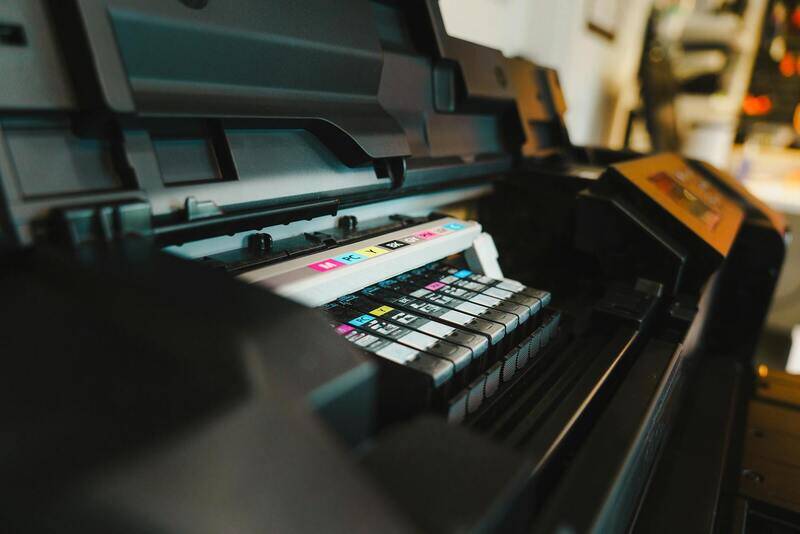
Common Types of Color Printing Services
- Digital Printing: Suited for small-volume jobs, digital printing offers quick turnaround times and excellent color accuracy. This method is ideal for brochures, business cards, and promotional flyers.
- Offset Printing: Cost-effective for large-volume projects, offset printing provides consistent quality and vibrant colors across extensive runs, making it suitable for catalogs and large posters.
- Large Format Printing: Designed for banners, posters, and signage, these services accommodate bigger dimensions with high-resolution color output.
- Specialty Printing: Includes options like textured finishes, custom media, and unique coatings, which generally come at a higher price point due to their premium nature.
Factors Affecting Color Print Out Prices
Several key elements influence the overall cost of color printing, including:
- Page Size and Format: Larger sheets or unconventional shapes typically incur higher charges because they require more materials and adjustments in equipment settings.
- Color Coverage: Full-coverage color pages consume more ink and time compared to pages with limited color use, affecting the per-page cost.
- Material Quality: Higher-grade papers, laminated surfaces, or specialty media will invariably increase expenses.
- Quantity Ordered: Bulk orders often qualify for discounts, reducing the unit price per print and making larger projects more economical.
- Finish and Coatings: Matte, gloss, or textured finishes add to the costs due to additional processing steps.
- Turnaround Time: Rush orders usually carry premium charges to prioritize production schedules.
Price Range for Color Print Out in Singapore
In Singapore, the pricing for color print outs generally falls within a specific spectrum, influenced by the service provider and project specifications. Basic color printing on standard A4 paper can start from SGD 0.50 to SGD 1.50 per page. For higher-quality prints or larger formats such as A3 or banner-sized prints, costs can range from SGD 3.00 to SGD 20.00 per sheet, depending on the complexity and media used. Custom projects involving heavy finishes or specialty materials may have prices exceeding SGD 100 per item. Bulk orders benefit from tiered discounts, which significantly lower the per-unit cost, making them an attractive option for corporate or event printing needs. It is advisable to obtain multiple quotes to compare prices effectively, ensuring access to the most competitive rates while maintaining quality standards.
How to Calculate the Cost of Color Printing
Accurately estimating the total expense for a color print job requires careful consideration of individual components. Start by defining the total number of pages or sheets needed and the dimensions of each. Determine whether the project involves standard or specialty media, as this will directly impact the material costs. Use the printer’s provided pricing list or online calculator to input specifics such as page count, color coverage, and finishing options. Multiply the per-page or per-sheet rates by the total quantity, then add any additional fees for setup, custom finishes, or special requests. Don’t forget to account for delivery charges if the prints need to be shipped or retrieved from separate locations. Securing official quotes helps clarify all cost elements, enabling precise budgeting and avoiding unexpected expenses.
Tips for Saving on Color Print Out Costs
- Plan and Consolidate Projects: Combining smaller print jobs into one batch can reduce setup and material costs.
- Optimize Design Efficiency: Use minimal color coverage and simple layouts to lower ink consumption.
- Choose Standard Sizes and Materials: Standard dimensions and materials are generally less expensive than custom options.
- Request Volume Discounts: Place larger orders when possible to benefit from discounted per-unit rates.
- Compare Multiple Providers: Obtain and evaluate quotes from various legitimate sources to find the most cost-effective options.
- Leverage Promotions and Packages: Take advantage of seasonal offers, bulk discounts, or bundled printing services.
- Prioritize Quality: Sometimes investing a little more initially can save costs on reprints caused by poor quality or ink smudging.
Understanding the Cost Dynamics of Color Print Outs
Gaining insight into the factors influencing color print out prices empowers consumers to make informed decisions and select services that best meet their budget and quality requirements. Pricing structures are typically determined by various elements such as the type of media used, the volume of prints, and the complexity of print jobs. Recognizing these components enables purchasers to anticipate expenses accurately and plan their printing projects with confidence.
Key Elements Impacting Color Print Out Prices
- Media Type: Paper quality, special finishes, and custom substrates can significantly influence costs. Standard paper tends to be more affordable, whereas textured or coated materials may command premium pricing.
- Print Volume: Larger quantities often benefit from per-unit discounts, making bulk orders a cost-effective choice. Conversely, small runs may incur higher per-page costs due to setup fees.
- Color Coverage and Complexity: Extensive use of vibrant colors or intricate designs increases ink consumption and may raise production costs. Simple, minimal-color designs are generally more economical.
- Finishing and Additional Services: Features such as lamination, binding, or custom cutting add to the overall price. These enhancements enhance durability and presentation but should be considered when budgeting.
- Turnaround Time: Urgent orders requiring expedited processing usually attract additional fees. Planning ahead can help avoid unnecessary premium charges.
Official Pricing Approaches for Color Printing
Legitimate printing services typically establish transparent pricing models that clearly delineate costs per page or sheet, along with applicable surcharges for optional finishes or special media. Professional providers often offer online calculators or detailed price lists to facilitate accurate cost estimation prior to order placement. This approach minimizes surprises and promotes budget management, especially for large or recurring print jobs.
Maximizing Cost Efficiency in Color Print Out Services
- Consolidate Projects: Combining related print jobs into a single batch reduces setup wastage and material costs.
- Design Strategically: Opt for simple layouts with minimal color coverage to lower ink consumption and printing times.
- Utilize Standard Sizes and Materials: Choosing common formats and substrates often results in lower expenses due to reduced customisation needs.
- Leverage Volume Discounts: Negotiating for bulk orders or repeat business can unlock preferential rates.
- Request Official Quotes from Multiple Providers: Comparing formal estimates helps identify the most competitive pricing options suited to your project needs.
- Capitalize on Promotions and Packages: Seasonal deals, bundled services, or loyalty discounts can yield significant savings over time.
- Balance Cost and Quality: Investing in higher-quality prints for critical applications can prevent costly reprints due to defects or ink issues.