
Understanding Color Printing Technology
Color printing is a vital component of modern digital and offset printing processes, catering to a diverse range of applications, from marketing materials to personal projects. The core of color printing involves reproducing existing images or designs with accurate color representation, vibrant visuals, and high-resolution quality. Achieving these standards requires a thorough understanding of the different printing techniques, their mechanisms, and their optimal applications. Digital color printing, including inkjet and laser printers, has revolutionized the industry by providing on-demand capabilities, quick turnaround times, and the ability to produce high-quality images directly from digital files. Inkjets operate by propelling tiny droplets of liquid ink onto paper, allowing for detailed color gradations and a broad spectrum of colors, making them ideal for custom prints, photo reproductions, and short-run jobs. Laser printers, on the other hand, employ static electricity to transfer powdered toner onto paper, offering faster print speeds and cost-efficiency for high-volume tasks. Offset printing, a traditional yet highly esteemed method, involves transferring ink from a metal plate to a rubber blanket and then onto the printing surface. This process facilitates precise color matching, consistent quality across large print runs, and is suitable for producing catalogs, magazines, and promotional materials in bulk. The complexity of offset presses allows for extensive color control and superior output, making them the preferred choice for commercial printing projects. Advantages of Digital vs. Offset Printing
- Digital Printing: Quick setup, cost-effective for small quantities, high customization, minimal waste, and rapid production cycles.
- Offset Printing: Cost-efficient for larger runs, consistent color reproduction, high image quality, and ability to print on various substrates.
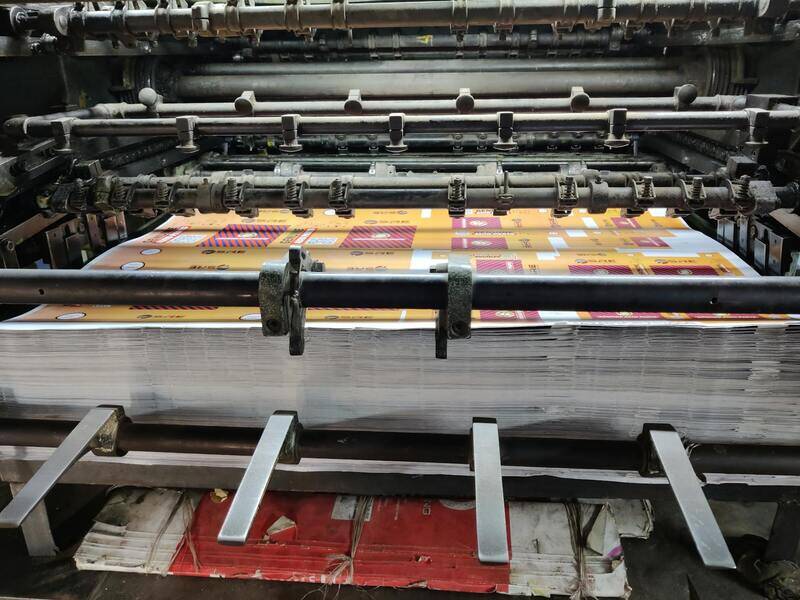
Choosing the appropriate method depends on project scope, budget, and desired output quality. Digital options excel in customization and speed, making them suitable for short-term needs or personalized printing. Offset printing is advantageous for large-scale production where consistent high-quality output and cost efficiency are paramount.
Both methods rely on precise color management systems to ensure the final print matches the intended design. The integration of advanced hardware and software allows printers to monitor and control color accuracy meticulously, catering to professional standards and industry expectations.
As the technology evolves, hybrid approaches combining digital flexibility with offset precision are emerging, further expanding the possibilities for vibrant, high-quality color printing across various sectors. Understanding these technologies equips users with the knowledge to select the most suitable printing method for their specific requirements, ensuring optimal results for every project.
Understanding Color Printing Technology
Color printing technology has evolved significantly over the years, enabling businesses and individuals to produce vibrant, detailed images and designs across a variety of substrates. The core of modern color printing lies in the precise manipulation of color management systems, which ensure that the final output aligns closely with the original digital design. This is achieved through sophisticated hardware and software integration, including high-resolution printers, color profiles, and calibration protocols that monitor and adjust color fidelity during the printing process.

There are primarily two dominant methods employed in color printing: digital and offset. Each utilizes unique processes and equipment, tailored to different project requirements:
Digital Color Printing
Digital color printing operates by directly printing digital images onto various materials, utilizing inkjet or laser technology. Its key advantage is rapid turnaround time, making it ideal for short runs, personalized projects, and quick updates. Because it doesn’t require plates, the setup process is faster and more flexible, facilitating on-demand printing with minimal waste. The technology’s ability to handle high-resolution images ensures excellent color accuracy and sharp detail, suitable for promotional materials, business cards, and marketing collateral.
Offset Color Printing
Offset color printing, by contrast, leverages a series of etched metal plates transferring ink onto a rubber blanket before applying it to the substrate. This method excels in producing consistent, high-quality color output across large quantities. Offset presses maintain precise color matching, especially important for brand-critical materials like packaging and magazines. Although setup costs are higher and time-consuming, this approach offers superior efficiency for bulk orders, providing vibrant colors and sharp image clarity on a broad range of paper stocks and specialty materials.
Comparative Overview
- Color Fidelity: Offset generally provides more consistent color branding, especially with complex color schemes, thanks to its stable printing platform.
- Speed and Flexibility: Digital printing offers quicker production for small quantities and customization without sacrificing color quality.
- Cost Considerations: Digital is more economical for low-volume and rapidly changing projects, whereas offset benefits from economies of scale.
- Material Compatibility: Both methods support a broad spectrum of materials, but offset can accommodate thicker stocks and specialty surfaces more effectively.
Modern color printing increasingly incorporates hybrid techniques that combine the strengths of both digital and offset methods. These innovations provide clients with greater flexibility, enabling high-quality, rapid, and cost-efficient production tailored to specific needs.
Conclusion
Understanding the nuances of color printing technology allows for informed decision-making when selecting a printing method. Proper application of color management principles and awareness of each method’s capabilities will ensure that the final printed materials meet the desired aesthetic and professional standards.
Understanding Color Printing Technology
Color printing technology has evolved significantly over the years, integrating sophisticated mechanisms to produce vivid, accurate, and consistent color outputs. Modern color printing primarily relies on two main processes: inkjet and laser printing, each with unique technological aspects that contribute to the final quality of printed materials.

Inkjet printers use tiny nozzles to spray precise droplets of liquid ink directly onto the printing surface. This method excels in producing detailed images with a broad spectrum of colors and smooth gradations, making it ideal for photo printing, art reproductions, and high-quality marketing materials. The mechanical precision and the variety of available inks enable inkjet printers to render colors with exceptional vibrancy and depth.
Laser printers, on the other hand, utilize a different process involving the electrostatic transfer of powdered toner onto the printable surface, followed by heat fusing. This technology is renowned for its speed and efficiency, especially in producing large volumes of sharp, durable prints. While traditionally associated with monochrome output, modern color laser printers incorporate multiple toner cartridges for full-color reproduction, suitable for business reports and promotional materials that require quick turnaround times.
Both technologies depend heavily on precise color management systems and color science to achieve consistency and accuracy. This involves calibrating printing equipment regularly, implementing robust color profiles, and controlling variables like ink saturation, color blending, and paper absorption properties. High-end printers may employ sophisticated software solutions that analyze the artwork and adjust the output to match desired color standards, ensuring branding consistency across different print runs and media.

Color Calibration and Quality Control
Maintaining color fidelity is essential in professional printing, especially when reproducing brand-specific hues or intricate designs. Color calibration involves adjusting the printer’s output to align with established color standards using colorimeters and test print sheets. These calibration processes ensure that colors remain stable over time and across various devices, minimizing deviations that could compromise visual consistency.
In addition to hardware calibration, software management plays a critical role. Color management systems (CMS) utilize ICC profiles—standardized data that describe how a system reproduces color—to facilitate predictable and accurate rendering. When integrated seamlessly, these profiles allow for precise color matching from digital files to print output, making the process reliable and reproducible, even across different printers and substrates.
Color Space Considerations
Understanding color spaces such as CMYK and RGB is vital in optimizing print results. RGB (Red, Green, Blue) is primarily used for digital displays and camera captures, favoring a broader color gamut that cannot be directly translated to print media. Conversely, CMYK (Cyan, Magenta, Yellow, Key/Black) is specifically designed for printing, with a narrower color range but tailored for accurate color alignment on physical substrates.
Color conversion from RGB to CMYK involves complex algorithms to simulate visual effects realistically, but some hues may appear muted or different from their on-screen counterparts. Proper management of this conversion process—including soft-proofing and color proofing—ensures the colors in the final output meet design expectations and branding standards without surprises.
Achieving precise color reproduction requires not only advanced technologies but also trained operators who understand the nuances of color workflows. Combining high-quality hardware, rigorous calibration procedures, and comprehensive software solutions enables consistent, vibrant, and true-to-design color prints every time.
Understanding Color Printing Technology
Color printing leverages advanced hardware and sophisticated processes to produce vibrant, accurate reproductions of digital designs onto various substrates. At the core, the technology involves precise modulation of ink or toner to render millions of colors, closely matching the original artwork or image. Modern color printing relies on digital presses, inkjet printers, and laser printers, each utilizing distinct mechanisms to achieve high-quality output. Inkjet printers, for instance, spray tiny droplets of ink through nozzles onto paper, allowing for detailed and nuanced color gradations. Laser printers employ electrostatic charges to transfer toner onto the substrate, offering speed and durability suitable for high-volume applications.
Quality control in color printing begins with meticulous calibration of the hardware. The calibration process ensures consistency in color output across different printing sessions and devices. This involves adjusting color profiles, performing test prints, and monitoring color accuracy using specialized tools. Color consistency is essential, especially in branding and marketing, where precise colors uphold corporate identity standards.
Beyond hardware calibration, color management is critical in ensuring the final output aligns with the intended design. Utilizing software that supports color profiles, like ICC profiles, enables operators to embed specific color references into digital files. These profiles communicate the capabilities of the printer and monitor, facilitating consistent color reproduction regardless of the device or medium. From digital image editing software to final print workflows, color management ensures every stage preserves the integrity of the original colors.

Key Components of Color Printing Technology
- Ink or Toner Formulation: Specialized inks and toners formulated for wide color gamuts and durability.
- Print Heads: Nozzles that deliver ink with micron-level precision for detailed images.
- Color Profiles: Data sets that define how colors are rendered across devices.
- Calibration Tools: Devices and software that adjust printer settings to maintain color fidelity.
- Substrate Compatibility: Media optimized for ink absorption and color vibrancy.
Advancements in Color Printing
Recent innovations include the integration of wide-gamut inks that expand the color spectrum, allowing for more vivid reproductions. Additionally, the development of hybrid printing systems combining digital and traditional methods has enhanced versatility and volume capacity. Automated color matching systems, incorporating artificial intelligence, now enable real-time adjustments, minimizing errors and reducing waste. These technological strides contribute to faster turnaround times and higher overall quality, meeting the increasing demands for detailed, true-to-color prints in diverse industries.
Understanding Color Printing Technology
Color printing technology has evolved significantly, integrating sophisticated hardware and software systems to produce vibrant, precise images. At its core, it involves the careful management of ink formulation, print head accuracy, and calibration techniques to ensure consistent color reproduction across various media. Modern color printers utilize multiple ink cartridges containing Cyan, Magenta, Yellow, and Black (CMYK) inks, allowing for a broad spectrum of hues and shades.
The print heads in high-quality color printers deliver ink droplets with micron-level precision, resulting in detailed and sharp images. These nozzles spray tiny ink particles onto substrates like paper, vinyl, or fabric, with the process controlled by complex algorithms that manage color mixing and distribution. Calibration tools, including color sensors and software, are essential to maintaining color fidelity between the digital design and the physical output.
Advancements in this technology have led to the integration of wide-gamut inks capable of reproducing more vivid colors, enhancing the visual impact of printed materials. These innovations facilitate applications that demand high accuracy and brightness, from professional photography prints to detailed marketing materials. Hybrid systems combining digital and traditional offset printing techniques further expand the versatility, capable of handling large volumes with consistent quality.
Automation plays a vital role in modern color printing, especially with the incorporation of artificial intelligence that enables real-time color matching and adjustments. This reduces waste, minimizes manual intervention, and increases overall efficiency. As a result, businesses can achieve faster turnaround times without compromising on the vibrancy and accuracy of their prints, making color printing an indispensable component of contemporary visual communication.


Types of Color Printing Materials
The choice of printing media plays a critical role in the final quality and durability of color prints. Different materials are optimized for specific applications, whether for indoor displays, outdoor signage, or professional photography. Common substrates include glossy and matte paper, specialty photographic papers, vinyl, fabric, and plastics.
Glossy papers are preferred for photographic prints and presentations where vibrant color and sharp detail are essential, thanks to their smooth surface that enhances color depth. Matte papers, on the other hand, minimize glare and fingerprints, making them suitable for reports and art reproductions.
Vinyl and fabric substrates are often used in large-format printing for banners, signage, and apparel, providing durability and weather resistance. Plastic materials are favored for long-lasting outdoor signs and labels, offering resistance to environmental elements.
The surface finish and absorption properties of these materials influence ink adhesion and color vibrancy. Substrate compatibility ensures that colors remain bright and true to the digital design over time. Selecting the right material involves considering the intended use, environmental exposure, and desired aesthetic effect.

Handling and Storage
Proper handling and storage of printing materials are vital to maintaining color integrity. Materials should be stored in a cool, dry environment away from direct sunlight, which can cause discoloration and deterioration. Handling papers and films with clean, dry hands prevents smudges and transfer of oils that can affect ink absorption.
Ensuring that substrates are free of dust and static electricity can improve print quality. During printing, materials should be loaded carefully into the printer to prevent misalignment and ink smudging, particularly with specialty substrates. Consistent storage conditions and careful handling practices extend the lifespan of printing media and preserve their color properties.

Color Management and Color Spaces
Effective color management systems (CMS) are essential to ensure output consistency across different devices and media. These systems utilize color profiles, commonly ICC profiles, which describe how colors are rendered on specific devices and substrates. By converting digital images into device-specific color data, CMS ensures that colors in the final print closely match the original digital design.
Color spaces, such as sRGB, Adobe RGB, and ProPhoto RGB, define the range of colors that can be represented in digital images. Understanding the differences between these spaces helps in optimizing images for printing. For example, Adobe RGB offers a wider gamut than sRGB, capturing more vivid hues suitable for high-quality prints.
During the printing workflow, proper calibration of monitors and printers, along with the consistent application of color profiles, minimizes discrepancies between on-screen images and printed outputs. Managers and artists often utilize soft proofing tools, which simulate the printed result on a calibrated monitor, making adjustments before actual printing.
Maintaining color fidelity from digital file to print requires a meticulous approach to managing color profiles and understanding the limitations of different devices. This ensures that vibrant, true-to-design colors are achieved every time, which is crucial for branding, artwork reproduction, and professional photography.

Understanding Color Printing Technology
Color printing is a sophisticated process that involves reproducing vibrant and accurate hues on various media using advanced printing mechanisms. Modern color printing systems utilize a combination of inkjet, laser, and digital technologies to produce high-quality images that meet diverse demands ranging from professional marketing materials to personal projects. Each method has its unique advantages, with inkjet printing offering exceptional color depth and gradient capabilities, while laser printing provides rapid production and durability. Digital color printing integrates seamless workflows that translate digital images into physical representations, ensuring precision and consistency with minimal setup times.
Color Printing Processes
- Inkjet Printing: Uses microscopic nozzles to spray tiny droplets of mixed colored inks onto media, ideal for high-resolution photographs and detailed artwork.
- Laser Printing: Employs a laser beam to transfer toner onto paper, suited for bulk printing with sharp text and vivid color images.
- Digital Printing: Facilitates direct transfer of digital files to media, enabling quick turnaround and customization, essential for on-demand printing services.
Color Print Quality Factors
Achieving superior color print quality depends on multiple factors, including the quality of ink or toner, print resolution, and the precision of color calibration. Uniform color reproduction is maintained through meticulous calibration of printers and the use of ICC profiles that standardize how colors are rendered across different devices and media. Additionally, maintaining appropriate humidity and temperature levels during printing ensures consistency and minimizes color misalignment or bleeding, which might compromise the vibrancy and accuracy of printed images.
Types of Color Printing Materials
Choosing the right materials is crucial for maximizing the effectiveness of color printing projects. The selection depends on the intended use, durability requirements, and budget considerations. Common printing materials include various types of paper, synthetics, fabrics, and specialty media designed to enhance color vibrancy and longevity.

Popular Materials for Color Printing
- Glossy and Satin Papers: Offer a reflective surface that enhances color depth and detail, ideal for photographs and marketing materials.
- Matte Papers: Provide a non-reflective finish, suitable for professional documents and artwork where glare reduction is desired.
- Synthetic Media: Such as vinyl and polyester, used for outdoor signage and durable displays due to their resistance to moisture and wear.
- Heavyweight and Cardstock: Perfect for business cards, postcards, and promotional packaging that require sturdiness combined with vivid printing.
- Specialty Media: Including Transparent films, canvas, and textured papers, designed to create artistic effects and unique presentations.
Media Compatibility and Preparation
To achieve optimal color reproduction, it is vital to select media compatible with the printing technology and inks used. Proper media handling, such as maintaining flatness and cleanliness, ensures ink adherence and prevents issues like smudging or banding. Pre-testing on selected media can help identify the best settings and results before executing large or high-stakes print runs.
Color Management and Color Spaces
Effective color management is foundational to producing prints that accurately reflect digital designs. Utilizing standardized color profiles and understanding different color spaces enable a seamless transition from screen to print, preserving the designer’s intent. The process involves calibrating monitors, printers, and employing software that supports ICC profiles, creating consistent results regardless of device variations.

Color Spaces in Printing
- sRGB: The most common color space for digital images, suitable for web and basic printing needs but with a limited color range.
- Adobe RGB: Offers a wider color gamut, capturing more vivid and diverse hues, making it ideal for high-end printing and photographic art.
- ProPhoto RGB: Encompasses an even broader spectrum, perfect for professional photographers and artists requiring maximum color fidelity.
Color Profiling and Soft Proofing
Color profiles, such as ICC profiles, describe how colors are interpreted and reproduced by devices. Soft proofing enables previewing how digital colors will appear on the final printed output by simulating the color rendering on calibrated monitors. This allows for adjustments to be made early in the workflow, preventing costly reprints and ensuring vibrant replication of original designs.
Applications of Color Printing in Business and Personal Use
Color printing finds extensive application across various domains, from corporate branding and marketing campaigns to personal creative projects. The ability to produce vivid, eye-catching visuals assists businesses in strengthening brand recognition and conveying messages effectively. For individuals, color printing allows for personalized art, photographic souvenirs, and creative expression that can be shared or displayed confidently.
Business Applications
- Marketing Collateral: Brochures, posters, banners, and flyers that attract attention and communicate branding clearly with rich colors.
- Product Packaging: Customized labels and boxes with high-resolution graphics that enhance product appeal.
- Event Signage: Large-format signs and display materials designed to draw visitors and communicate event details vividly.
- Corporate Stationery: Bright, accurate color business cards, letterheads, and envelopes that reinforce professional image.
Personal Use
- Photographic Prints: High-quality color prints of personal photographs suitable for framing and gifting.
- Creative Projects: Artistic displays, customized posters, and crafts utilizing vibrant color techniques.
- Event Memorabilia: Personalized invitations, greeting cards, and keepsakes with sharp, colorful details.
Choosing the Right Printing Service
Selecting an appropriate printing service hinges on understanding your project requirements, budget constraints, and desired output quality. When evaluating providers, consider factors like their technological capabilities, material options, turnaround times, and quality assurance practices. An ideal printing partner should offer detailed consultations, sample outputs, and flexible services tailored to both professional and personal needs.
Understanding Color Printing Technology
Color printing relies on complex yet precise processes that reproduce full-color images and designs onto various media. At its core, this technology involves the combination of multiple color channels—typically cyan, magenta, yellow, and black (CMYK)—to create a broad spectrum of colors. Modern color printers utilize advanced mechanisms such as inkjet or laser systems, where tiny droplets of ink or toner are strategically deposited onto substrates to achieve accurate coloration.
The process begins with digital files that define the colors and images to be printed. These files are processed through color management systems that ensure consistency across devices and media types. Modern printers are equipped with high-resolution print heads capable of rendering sharp details and smooth color gradations, essential for high-quality visuals.
In inkjet printers, liquid inks are sprayed through microscopic nozzles, allowing for flexible media choices and vibrant color output. Laser printers, on the other hand, use powdered toner fused onto paper through heat, providing fast and durable printing suited for high-volume needs. Both systems incorporate precise control algorithms to maintain color fidelity and minimize issues such as banding or color bleeding.

Additionally, color calibration devices are utilized routinely to align printers with standardized color profiles, ensuring consistent output across different printing sessions. This meticulous calibration facilitates accurate reproduction of branding colors in marketing materials and matching photographic shades in personal prints.
Color Management and Color Spaces
Effective color management hinges on understanding color spaces—mathematical models that describe the range of colors a device can produce. RGB (red, green, blue) is primarily used for digital screens, while CMYK (cyan, magenta, yellow, black) is the standard for printing. Converting colors accurately from digital designs to the printed medium involves the use of ICC profiles, which act as communication standards between devices.
An ideal color management workflow includes the creation of color profiles for each device, ensuring that the colors designed on a computer monitor translate correctly onto print media. This process minimizes discrepancies, especially when reproducing complex images such as photographs or detailed graphics.
Professionals may also employ specialized software to simulate how images will appear once printed, making preemptive adjustments to the digital file. Such precise control guarantees that the final output meets expectations for color accuracy, vibrancy, and consistency.

Incorporating these techniques supports businesses that require precise branding colors and artists seeking true-to-life reproductions. For personal projects, accurate color management ensures that cherished photographs and creative artworks are preserved in their intended hues.
Applications of Color Printing in Business and Personal Use
Color printing plays a vital role across diverse domains, seamlessly integrating quality and visual appeal. Businesses leverage vibrant print materials for marketing collateral including brochures, posters, banners, and flyers that command attention and effectively communicate brand messages. High-resolution labels and packaging designs help products stand out on retail shelves, reinforcing brand recognition. Corporate signage, from large-format displays to event backdrops, benefits from vivid color accuracy, enhancing visibility and impact. Office stationery, such as business cards, letterheads, and envelopes, utilize precise color reproduction to foster professional brand consistency. Individuals utilize color printing for photographic reproductions suitable for framing or sharing among loved ones. Creatives use diverse media to craft posters, canvas prints, and personalized crafts that showcase vibrant artistry. Event organizers produce invitations, greeting cards, and keepsakes with sharp, colorful details, making memorable impressions.
- Marketing Materials: Eye-catching brochures, banners, and flyers that effectively attract attention.
- Product Packaging: High-quality labels and boxes that enhance visual appeal.
- Event Signage: Large, colorful displays for events and exhibitions.
- Personal Photographic Prints: Vibrant photographs for home decoration or gifting.
- Creative Projects: Artistic posters, crafts, and customized merchandise.
These applications demonstrate how color printing enriches visual communication, enhances brand presence, and personalizes creative expressions with impressive vibrancy and detail.
Choosing the Right Printing Service
Selecting a suitable color printing service involves evaluating several critical factors. The technological capabilities of the provider determine whether they can handle your project’s complexity and volume. High-resolution digital printers with a wide color gamut are essential for achieving professional results.
Material options are another consideration—services should offer a variety of substrates, from standard paper to specialty media like vinyl, canvas, or textured surfaces, to match your project needs. Turnaround times also impact decision-making, especially for time-sensitive campaigns or personal events.
Quality assurance practices, including sample reviews and color consistency checks, ensure that the final output aligns with your expectations. Moreover, a service provider that offers consultation can assist in optimizing your design for print, managing color fidelity, and suggesting best-suited materials.
The availability of flexible options, such as small batch runs or bulk discounts, also influences the choice. Ensuring the provider maintains transparent communication and adheres to deadlines fosters a smooth printing experience.

By prioritizing these factors, you ensure your project benefits from the highest quality, vibrancy, and durability—resulting in prints that truly stand out and convey your message effectively.
Understanding Color Printing Technology
Color printing technology has advanced significantly over the years, enabling the production of vibrant, high-quality prints for diverse applications. Modern color printing leverages processes such as inkjet, laser, and digital presses, each utilizing distinct mechanisms to apply color onto various substrates. Inkjet printers, for example, operate by propelling tiny droplets of liquid ink directly onto the media, allowing for detailed images and smooth color gradients. Laser printers, on the other hand, use electrostatic charges to attract toner particles onto the paper, providing crisp images suitable for high-volume outputs. Digital color printing combines these techniques with sophisticated software to ensure accurate color reproduction and excellent resolution.

Color management is central to achieving consistent results. It involves calibrating printers, monitors, and color profiles to maintain color fidelity across different devices. The use of standardized color spaces such as sRGB and Adobe RGB ensures that colors appear uniform regardless of the media or device. Implementing precise color calibration tools and adhering to industry best practices allows for highly accurate color reproduction, vital for branding, photography, and promotional materials.
Types of Color Printing Materials
Choosing the right substrate is crucial to the success of a color print. Traditional paper remains the most common media, available in various finishes such as glossy, matte, or satin, each affecting how colors are perceived. For specialized needs, a range of materials like vinyl, canvas, fabric, or textured surfaces can be used to add durability or artistic flair. For instance, canvas prints are popular for artwork replication and interior décor, while vinyl banners are ideal for outdoor advertising due to their weather-resistant properties. Additionally, specialty papers designed for aqueous or solvent inks can enhance vibrancy and longevity, ensuring that the printed images remain vivid over time.

Color Management and Color Spaces
Effective color management entails calibrating every step of the printing process for optimal results. This includes device calibration, soft proofing, and the use of ICC profiles that define how colors are translated from digital files to physical prints. Proper management prevents issues like color shifts or dull outputs, especially when reproducing complex images with subtle gradients. Understanding and utilizing color spaces like Adobe RGB for digital design and converting to CMYK for printing ensures intended color accuracy. High-end printers often incorporate advanced color engines capable of reproducing a broad spectrum, which is essential for branding materials, photographic prints, and detailed graphic work.
Applications of Color Printing in Business and Personal Use
Color printing serves a multitude of purposes across different sectors. Businesses utilize vibrant visuals for marketing materials such as brochures, posters, banners, and business cards, which help capture attention and communicate brand identity effectively. In the personal realm, individuals use color printing for creative projects, photo albums, custom invitations, and decorative art. The ability to produce high-resolution, color-rich images enhances the impact of customized gifts, event memorabilia, or personal portfolios. Professional applications also include printing color proofs for product packaging and labels, where accuracy in color representation directly influences consumer perception.
Choosing the Right Printing Service
Selecting a reliable color printing provider requires careful assessment of their technological capabilities and material offerings. A service equipped with high-resolution digital printers capable of reproducing a wide color gamut will better meet quality expectations. The range of substrates available—including gloss, matte, textured, and specialty media—allows tailoring outputs to specific project needs. Turnaround times are equally important, especially when deadlines are tight. Furthermore, evaluating quality assurance practices, such as color matching and sample proofs, helps ensure that the final product aligns with your vision. A knowledgeable consultation can also optimize design files for print, improving color fidelity and material compatibility.
Cost Factors and Turnaround Times
Pricing in color printing depends on various elements, including print volume, media type, color complexity, and the level of finish required. Large-format or specialty media tend to incur higher costs due to material and ink consumption. High-resolution printing with premium inks also contributes to increased expenses; however, these investments translate into better color accuracy, vibrancy, and durability. Turnaround times are influenced by the project's scope, the complexity of color management, and the production capacity of the service. Most reputable providers offer expedited options or batch processing, allowing clients to balance budget constraints with project timelines.
Environmental and Quality Considerations
Sustainable printing practices are increasingly important in maintaining environmental responsibility without compromising quality. Selecting providers that utilize eco-friendly inks, recycled media, and energy-efficient machinery helps minimize ecological impacts. Quality assurance is paramount; attention to detail during calibration, color consistency checks, and the use of premium materials ensure that color prints meet high standards of durability and visual appeal. Proper handling and storage of printed materials extend their lifespan, especially for items intended for outdoor display or archival purposes. Ultimately, balancing sustainability with excellence in color reproduction reflects a commitment to responsible sourcing and environmentally-conscious production.
