
Factors Affecting Booklet Printing Costs
When considering a booklet printing quote, understanding the primary elements that influence pricing is essential for effective budgeting and strategic decision-making. Several facets such as the quantity of booklets, the size and page count, binding type, paper quality, and color options all play critical roles in determining the final cost. A thorough grasp of these factors enables businesses and individuals alike to optimize their design and production choices to align with their financial plans.

Quantity of Booklets
The number of copies ordered directly impacts the cost per unit. Larger orders benefit from economies of scale, often reducing the overall price per booklet. Conversely, small batch productions tend to have higher per-unit costs, but they offer flexibility for limited releases or testing markets. Vendors often provide tiered pricing, incentivizing bulk orders for cost savings.
Size and Page Count
The dimensions of the booklet ultimately influence the amount of material used and the printing complexity. Standard sizes may attract lower printing costs due to streamlined processes, whereas custom sizes could incur additional setup fees. Additionally, the total number of pages affects both the printing and binding processes, with thicker booklets requiring more advanced binding options and increased material consumption, thus raising costs.
Binding Options
The choice of binding method significantly influences the final price. Saddle stitching is generally the most economical, suitable for thinner booklets. Perfect binding or spiral binding, which accommodate thicker stacks or provide durability and flexibility, tend to be more costly. The selection hinges on durability requirements, aesthetic preferences, and budget considerations.
Paper Type and Weight
Paper quality, including weight and finish, impacts both the tactile appeal and the cost. Premium papers with higher weights, finishes, or specialty textures, such as gloss or matte, elevate production expenses. Choosing standard paper types can be more cost-effective, yet may compromise on feel and presentation for high-end projects.
Color Options
Color printing adds vibrancy and visual appeal but also increases costs compared to black and white. Full-color pages require more ink and often entail more complex printing processes, inflating the overall price. For budget-conscious projects, selectively using color strategically can balance visual impact with affordability.
Additional Considerations
- Design complexity and artwork preparation fees
- Finishing touches such as lamination, embossing, or foil stamping
- Delivery and rush order surcharges
Each element contributes to the final booklet printing quote and must be considered carefully during planning. A clear understanding of these components ensures accurate cost estimation, timely execution, and optimal quality for printed materials.
Factors Affecting Booklet Printing Costs
Understanding the elements that influence the cost of booklet printing is essential for budgeting effectively and achieving the desired quality. Several key factors contribute to the overall quotation received from printing providers, each impacting the price based on choices made during the planning stage.
Binding Methods and Their Cost Implications
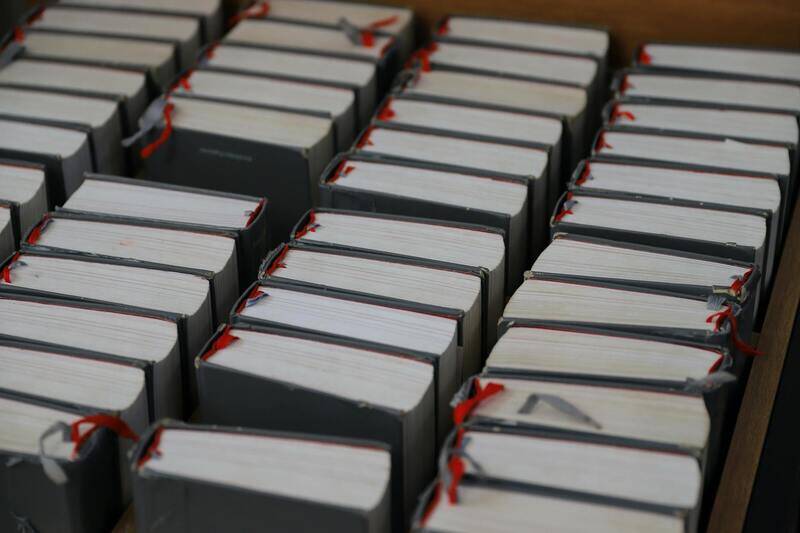
The binding technique selected for your booklet directly affects the production cost. Saddle stitching, involving staple binding along the spine, is often the most economical and suitable for thin booklets with fewer pages. Perfect binding, where pages are glued together at the spine and often reinforced with a cover, provides a more polished appearance and durability, making it ideal for thicker layouts but at a higher expense. Other options like wire-o or spiral binding offer flexibility and reusability, often at additional costs due to manufacturing complexity. The choice hinges on the booklet’s purpose, desired durability, and budget constraints.
Paper Quality and Weight
The type and weight of paper play a crucial role in the overall cost. Standard paper types, such as uncoated or matte finishes with moderate weights, are cost-effective and sufficient for informational or internal use booklets. Premium papers with higher weights, gloss or textured finishes, or specialty materials like recycled or eco-friendly options increase production expenses but can significantly elevate the tactile and visual appeal of your project. Balancing paper quality with budget considerations allows for more precise control over costs.
Color Printing Versus Black and White
Full-color printing provides vibrant visuals that attract readers but involves higher costs due to additional ink usage and complex printing processes. For projects where visual impact is less critical, black and white printing offers a more economical option, especially when large quantities are involved. Strategically using color only on key pages or cover sections can help optimize costs without compromising the overall presentation.
Additional Finishing and Customization
Finishing touches like lamination, embossing, foil stamping, or UV coating enhance the booklet's aesthetic appeal and durability, but they also add to the cost. Artwork preparation fees, especially for complex designs or customized embellishments, should be factored into the budget. Similarly, options such as rounded corners, die-cut shapes, or special textures increase production complexity and price. Clearly defining required finishings ensures accurate quotes and avoids unexpected expenses.
Impact of Urgency and Delivery
Rush orders or expedited delivery options typically elevate the overall cost due to prioritization and expedited shipping. Planning ahead and requesting standard turnaround times not only helps secure more competitive quotes but also ensures quality control and timely delivery. Local or regional distribution can influence shipping costs, so considering the delivery method can further refine your budget estimates.
Quote Comparison and Transparency
Requesting quotes from multiple vendors is a prudent practice to gauge market rates and identify the best value for your project. Ensure that each quote itemizes costs such as binding, paper, color, finishing, and delivery to facilitate direct comparison. Be wary of hidden fees or surcharges, such as for customs, artwork adjustments, or after-hours processing, and address these proactively during the quotation process to maintain transparency.
Additional Costs to Consider
- Design and layout services, including artwork formatting and file preparation
- Custom sizes or special formats that deviate from standard dimensions
- Bulk discounts or minimum order quantities
- Storage or warehousing fees for large orders
- Revisions or proofing processes for accuracy before final printing
Being aware of these variables enables a thorough understanding of the total investment required for your booklet printing project. Accurate planning and detailed communication with vendors ensure that your final product aligns with both your quality standards and budget constraints.
Factors Affecting Booklet Printing Costs
Booklet printing expenses can vary significantly based on multiple key factors. Understanding these variables allows for more accurate budgeting and informed decision-making when planning your project.
- Quantity of Booklets: Larger orders generally benefit from volume discounts, reducing the unit cost. However, extremely high quantities might incur additional storage or handling fees, particularly if the order exceeds standard processing capacities.
- Print Quality and Paper Choice: Premium paper stocks like gloss or heavier uncoated papers tend to be more costly than standard matte or lightweight options. The choice impacts durability and visual appeal but also influences the overall budget.
- Color vs. Black and White: Full-color printing provides vibrant visuals but involves higher printing costs due to increased ink usage and more complex printing processes. Black and white options are more economical, suitable for text-heavy layouts or minimalistic designs.
- Binding Style: Different binding methods, such as saddle stitch, spiral, or perfect binding, carry varying costs. While saddle stitching is typically the most affordable, more durable and aesthetic bindings like perfect binding or wire-o-bound options usually demand higher investment.
- Run Time and Turnaround Speed: Expedited delivery options, including same-day or next-day services, incur additional charges. Planning your timeline carefully can help mitigate these costs without compromising quality.
- Design Complexity and Customization: Elaborate designs, special finishes like spot UV, embossed details, or custom sizes, can increase costs. Incorporating unique formats or materials may also lead to extra charges for handling and production setup.
- Finish and Additional Features: Matte or gloss lamination, UV coatings, rounded corners, or custom die cuts elevate the aesthetic but come at a premium. These features contribute to a polished final product and should be weighed against your overall budget.
To ensure transparency and obtain the best value, it’s advisable to request detailed quotes from multiple printing vendors. Confirm that each estimate itemizes costs related to paper quality, binding, color options, finishing touches, and delivery charges. This comparison helps identify potential hidden fees and facilitates informed choices aligned with your project scope and financial plan.
Factors Affecting Booklet Printing Costs
When planning for booklet printing, several key elements influence the final cost, enabling businesses and individuals to budget effectively while achieving desired quality levels. Foremost among these is the print quantity. Larger orders often benefit from economies of scale, reducing the per-unit cost. Conversely, small batch runs tend to carry higher unit prices due to setup and material handling expenses.
Next, the choice of binding method significantly impacts expenses. Options like saddle stitch are economical, ideal for lightweight booklets with fewer pages. More durable or aesthetic bindings, such as perfect binding or wire-O, require additional materials and precise finishing, increasing overall costs. It’s vital to consider the intended use and desired durability when selecting a binding style.

Print quality preferences, particularly in color versus black-and-white, play a pivotal role. Color printing, especially with high-quality inks and finishes, incurs higher costs compared to monochrome options. Design complexity, including custom illustrations or detailed graphics, adds to the production time and resource expenditure.
Paper selection also influences costs markedly. Heavier, coated, or specialty papers such as matte or gloss finishes require more expensive materials and handling, elevating the price. On the other hand, standard uncoated papers tend to be more cost-effective, suitable for informational or internal documents.
Additional features like embossing, spot UV coatings, rounded corners, or unique die-cut shapes further augment costs due to their bespoke nature and increased labor requirements. These customizations enhance visual appeal and tactile experience but should be balanced against the budget constraints.
Moreover, the turnaround time and chosen delivery method contribute to final expenses. Expedited production or same-day services entail additional fees, which can be mitigated through strategic planning and ordering in advance.
To avoid surprises and secure the best value, it is prudent to solicit detailed quotations from multiple providers. An itemized quote should clearly delineate costs related to paper, binding, finishing, color printing, and shipping. This practice not only fosters transparency but also facilitates optimal decision-making aligned with project scope and financial limits.
Types of Booklet Bindings and Their Impact on Cost
Choosing the appropriate binding method is crucial as it directly affects both the aesthetic and financial aspects of booklet production. Saddle stitch binding, involving staples along the spine, remains the most economical option, suitable for booklets with up to about 80 pages. Its simplicity allows for high-volume production at lower costs, making it ideal for marketing brochures, program guides, or quick-turnaround materials.
Spiral binding offers a flexible, lay-flat option, often used for workbooks, manuals, or catalogs that benefit from ease of use. This method involves inserting a plastic or metal coil through holes along the binding edge, which can add to the cost but offers durability and usability benefits.
Perfect binding is a more refined option, creating a professional appearance with a glued spine. It’s preferred for longer, more substantial booklets like brochures, annual reports, or lookbooks. Its setup costs are higher due to additional binding processes, but it provides a sleek finish that enhances perceived quality.
Wire-O binding combines the strengths of spiral binding with a more polished look, often used for presentation materials or executive brochures. It allows pages to turn smoothly and sit flat, but it requires precise machinery and materials, which can elevate the price.
The selection of binding style should match both the functional requirements and the budget. While economical options suit short-term or internal uses, investing in more durable or aesthetically appealing bindings can support branding and customer perception in high-stakes presentations or marketing materials.
Impact of Binding Costs on Overall Expenses
When evaluating overall booklet printing costs, the selection of binding method plays a pivotal role. Basic saddle stitch binding remains the most cost-effective, especially suited for smaller booklets with fewer pages. Its straightforward process involves stapling along the spine, which reduces equipment and setup costs. This makes it an excellent choice for marketing brochures, event programs, or quick-turnaround projects where budget is a primary concern.
In contrast, more complex binding styles like perfect binding or wire-o binding incur higher expenses due to additional machinery, materials, and processing times. Perfect binding, which involves gluing pages to a stiff spine, offers a professional appearance and is fitting for longer brochures or catalogs that aim to make a lasting impression. Wire-o binding provides a premium feel, with pages that lay flat and can be turned smoothly, suitable for presentation booklets or technical manuals. While these options enhance the overall perception of quality, they also reflect higher production costs, which should be factored into your budget planning.

Estimating Price Variations Based on Binding Choices
Pricing for booklet printing can vary notably depending on the binding selected. For example, saddle stitch binding typically adds minimal additional costs—usually just the expenses associated with staples and alignment. However, if a higher-end binding such as perfect or wire-o is chosen, the unit price increases proportionally due to extended labor, materials, and setup requirements. It's also important to consider how the number of copies affects per-unit cost; larger quantities tend to reduce the overall cost per booklet, making it more economical to opt for higher-quality or more durable binding options at scale.
The type of binding not only influences the initial expense but can also impact long-term durability and user experience. For instance, spiral or wire-o bindings provide the benefit of easy page turning and machine-friendly lay-flat functionality, which can justify the additional cost for certain projects.
Strategies for Cost-Effective Binding Selections
- Assess the primary purpose of the booklet—if it’s intended for short-term use or internal distribution, a basic saddle stitch may suffice and save costs.
- For materials requiring durability and frequent handling, consider higher-end bindings to prevent premature wear and maintain a professional appearance.
- Evaluate the volume of copies—bulk printing often reduces the cost per unit, making premium binding options more feasible financially.
- Consult with your printing vendor on bundling options or discounts for multiple copies to optimize overall project expenses.
Ultimately, aligning the binding choice with both your budget constraints and the desired longevity and aesthetic of your booklet ensures a balanced approach. Investing in a suitable binding method can complement your design, enhance user experience, and effectively communicate your brand or message without exceeding financial limits.
Factors Influencing the Cost of Booklet Printing
Determining the final price of booklet printing involves a careful evaluation of multiple core elements. These factors align with the project’s scope, quality preferences, and desired turnaround time. One primary consideration is the total number of copies ordered, as larger print runs typically benefit from volume discounts, thereby reducing the cost per unit. Subsequently, the complexity of the design, including the number of pages, page layout, and custom features, can also influence the expense. Intricate designs with full-color graphics or detailed images may incur higher costs compared to simpler, monochrome layouts.
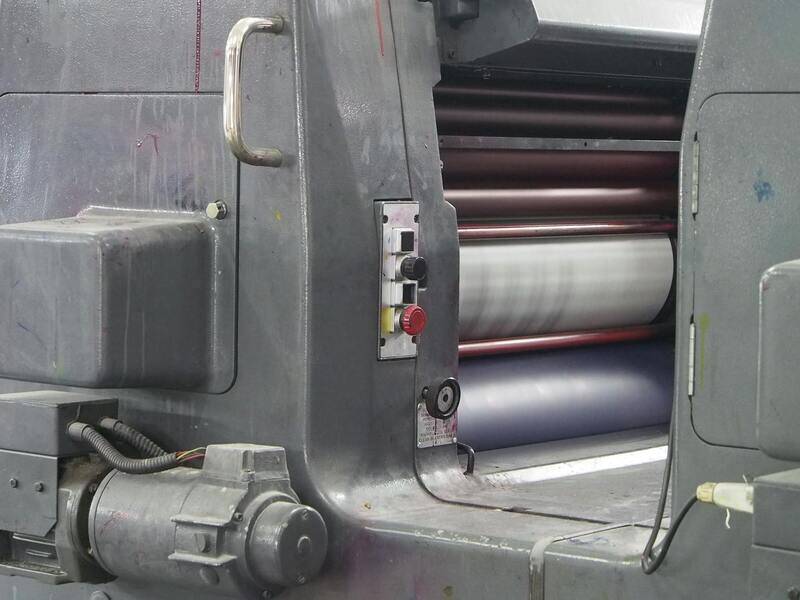
Material choices significantly impact cost; premium materials such as thicker paper or specialty finishes gradually increase expenses but enhance the overall presentation and durability of the booklet. Additionally, the printing process itself, whether digital or offset, plays a role—digital printing is more economical for smaller quantities, whereas offset printing offers cost efficiency for larger quantities due to its setup process.
Bindery Options and Their Cost Implications
The method chosen for binding directly affects both initial costs and the aesthetic appeal of the final product. Common binding options include saddle stitch, perfect binding, spiral binding, comb binding, and wire-o binding. Saddle stitch is generally the most affordable, suitable for thinner booklets of up to 48 pages, making it ideal for short-term marketing materials or internal documents. Perfect binding provides a more professional, magazine-like finish, often suited for longer booklets or catalogs, and costs more due to materials and process complexity.
Spiral and wire-o bindings offer on-the-fly page turning and lay-flat capabilities, which can be beneficial for manuals and workbooks. These bindings often carry a higher price point because of their mechanical components and materials. When planning your budget, consider the durability required—more robust bindings tend to extend the life span of the booklet, especially in scenarios with frequent handling.
Impact of Paper Quality and Finish Selection
Choosing the right paper quality is crucial for balancing cost with visual appeal and durability. Standard options like 80-100 lb text weight paper are budget-friendly while providing sufficient strength for most applications. Premium papers, such as coated finishes, matte or gloss laminations, and specialty textures, exponentially increase costs but lend a luxurious feel and improved print vibrantness.
For optical enhancements, finishes like UV coating or soft-touch lamination add a layer of protection and visual sophistication, but these options result in higher expenses. The selection of uncoated versus coated stocks should align with the intended use—e.g., coated papers are preferred for colorful, image-heavy layouts, while uncoated stocks suffice for simple text-based booklets.
Size and Page Count Considerations
Optimizing your booklet’s dimensions and total pages can lead to significant cost efficiencies. Small-sized booklets, such as pocket-sized or A5 formats, generally cost less per unit compared to larger sizes like A4 or custom dimensions, primarily because of paper usage and printing setup. Maintaining a page count that aligns with standard folding and trimming formats can also reduce waste and processing times.
For budget-conscious projects, limiting the total number of pages while ensuring the core message or content is effectively communicated is vital. When increasing the page count, consider grouping sections or inserting inserts to distribute costs more evenly. The choice of binding, combined with page size, influences both the printing process and manufacturing expenses, underscoring the importance of comprehensive planning.
Impact of Color Versus Black and White Printing on Cost
One of the most significant factors influencing the final price of booklet printing is the choice between color and black and white printing. Color printing, while visually appealing and highly effective for promotional materials, necessitates more advanced printing equipment and additional ink use, which elevates the overall costs. The vibrancy and visual impact of color can enhance engagement but may be priced higher, especially for large runs or high-quality finishes.
On the other hand, black and white printing offers a more economical option, particularly suitable for text-heavy booklets like manuals, catalogs, or internal documents where color isn’t essential. This choice minimizes ink costs and often simplifies the printing process, leading to quicker turnaround times and lower per-unit expenses. Deciding between these options depends on the purpose of the booklet, desired aesthetics, and budget constraints.

Options for Delivery Timeframes and Their Cost Impacts
Delivery options and turnaround times play a crucial role in project budgeting. Standard processing and shipping typically offer the most cost-effective rates, with longer lead times. These options suit projects with flexible timelines, providing adequate time for production and delivery without incurring rush fees.
For urgent requirements, expedited production and express shipping are available, but these come at a premium. Faster turnarounds often involve prioritizing your order in the printing queue and possibly using premium courier services. To optimize costs, plan your print project well in advance, allowing you to select economical shipping while avoiding additional fees for rushed orders.
In addition to timing, choosing from various delivery methods—such as bulk shipping or direct-to-destination options—can influence the overall price. Careful planning for the most suitable and cost-efficient delivery approach ensures your booklet arrives on time without unexpected expenses.
Additional Factors Influencing Booklet Printing Quotes
Beyond the core elements like paper quality, binding type, and size, several supplementary factors can significantly impact the overall cost of booklet printing. Understanding these elements helps in obtaining accurate quotes and making informed decisions tailored to your project’s objectives and budget.
Customization Options and Their Cost Implications
Adding customization features not only enhances the aesthetic appeal of your booklet but also influences the pricing. Common customization options include:
- Lamination: Applying a glossy or matte finish to the cover can provide durability and a premium look, but it adds to the production cost.
- UV Coating: A high-gloss, protective coating that enhances visual appeal and resistance to wear. It typically incurs an additional fee per booklet or per page.
- Foil Stamping and Embossing: These techniques add metallic accents or raised textures for a luxurious feel, often increasing individual booklet costs due to additional setup and materials.
- Specialty Inks: Using metallic, neon, or other specialty inks can set your printing apart but comes at a higher price compared to standard inks.
- Custom Covers: Utilizing textured, leather, or linen covers enhances aesthetic and tactile qualities, influencing the overall quote based on material choice and printing complexity.

Quantity and Bulk Discounts
The volume of booklets ordered directly affects the unit cost. Printers often offer tiered discounts for larger quantities, making bulk orders more economical on a per-unit basis. When requesting a quote:
- Specify your desired quantity clearly to receive an accurate price estimate.
- Ask about discount thresholds and potential savings for higher volumes.
- Compare quotes from multiple vendors to gauge the best value, especially for larger print runs.
Additional Charges and Fees
Aside from standard printing costs, certain circumstances may lead to extra charges:
- Design Services: If you require professional design assistance, expect an additional fee unless you provide print-ready files.
- File Preparation and Setup: Complex layouts, custom sizes, or unusual binding might necessitate extra setup costs.
- Proofing: Physical or digital proofs are typically included but in some cases may incur additional charges, especially for multiple revisions.
- Rush Orders: Expedited production generally costs more, depending on turnaround time and production capacity.
- Shipping and Delivery: Costs vary based on destination, shipping method, and size of the shipment, with faster options adding to the expense.
Maximizing Cost-Effectiveness
To optimize your booklet printing budget, consider the following strategies:
- Consolidate orders when possible to leverage volume discounts.
- Choose standard sizes and binding options that are cost-efficient and widely available.
- Plan for longer turnaround times, which often reduce costs compared to rush orders.
- Compile comprehensive specifications and print-ready files to minimize additional charges for adjustments or reprints.
- Request detailed quotes from multiple providers, comparing all included services and potential ancillary costs.
Careful consideration of these additional factors ensures that your booklet printing project stays within budget while meeting your quality expectations. When requesting quotes, be sure to specify all desired options and deadlines to receive precise and comprehensive estimates from your chosen provider.
