
Understanding Color Booklet Printing
Color booklet printing is a sophisticated printing process that involves producing multi-page printed materials with vibrant, high-quality full-color images and text. This printing method is widely utilized across various industries, including marketing, publishing, education, and corporate communications. In Singapore’s competitive market, companies leverage color booklets to effectively showcase products, services, and informational content in a visually appealing format.
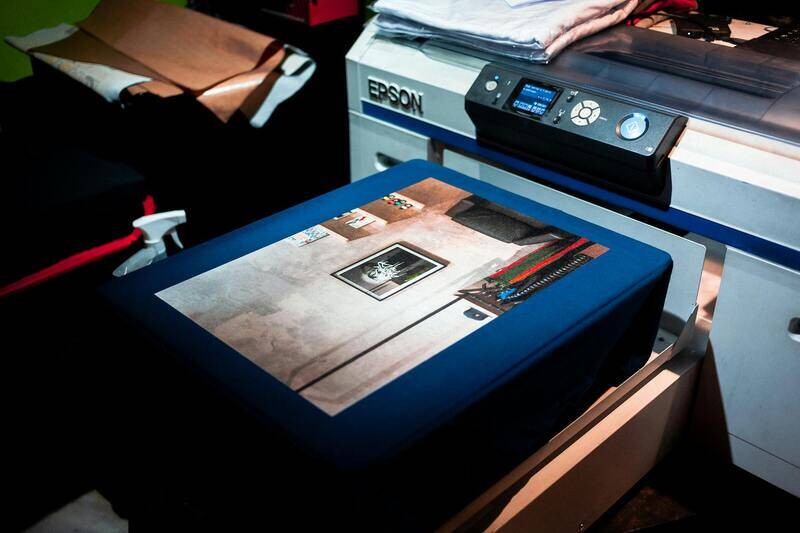
The primary purpose of color booklet printing is to create an impactful tangible document that captures attention and provides a comprehensive view of what a business offers or what information is being shared. These booklets are used for promotional catalogs, product brochures, event programs, training materials, and detailed informational pamphlets. The use of full-color printing allows for accurate, vivid images and graphics that enhance readability and aesthetic appeal, making the content more compelling and easier to understand.
In the context of Singapore’s printing industry, color booklet printing is recognized for its ability to combine quality with efficiency, catering to the local demand for attractive marketing collateral and educational materials. Advanced printing technologies ensure that each booklet's colors are consistent, sharp, and true to the original design, which is crucial for brand identity and professional presentation.
Furthermore, the versatility of color booklet printing enables businesses to choose from a variety of formats and binding options, tailoring each product to specific needs and budgets. Whether for small-run promotional materials or large-scale marketing campaigns, the process supports customization without compromising on quality.
Technical advancements in digital and offset printing continue to improve the speed, color accuracy, and cost-effectiveness of producing color booklets. This allows companies to respond swiftly to market demands, launch new products with compelling visual materials, and maintain a consistent brand image across multiple printed distributions.
In summary, color booklet printing combines the power of vibrant visuals with comprehensive content delivery. By incorporating premium quality printing techniques, businesses in Singapore can effectively communicate their messages, enhance brand visibility, and leave a lasting impression on their audience.
Materials and Paper Choices for Color Booklets
Choosing the right materials and paper stock is fundamental to producing color booklets that are both visually appealing and durable. The selection process should consider the intended use, target audience, and budget constraints, ensuring that each element aligns with the overall purpose of the publication.
High-quality paper options are available to enhance the vibrancy of printed colors while providing a smooth finish that complements detailed designs. Typical choices include lustrous coated papers such as gloss and satin, which amplify color depth and sharpness by reflecting light effectively. Uncoated papers, on the other hand, offer a matte finish that lends a sophisticated, understated appearance suitable for textual content or minimalist design themes.
Furthermore, weight and thickness—measured in grams per square meter (gsm)—play a critical role in the tactile experience and structural integrity. Lighter papers (around 80-120gsm) are ideal for internal pages, providing flexibility and ease of handling, whereas heavier stocks (around 170-300gsm) are suited for covers, reinforcing durability and visual impact.
Environmental considerations also influence the choice of materials. Recyclable and sustainably sourced papers are increasingly preferred by businesses committed to eco-friendly practices. Certification labels like FSC (Forest Stewardship Council) or PEFC (Programme for the Endorsement of Forest Certification) provide assurance of responsible sourcing.
Specialty papers, such as textured, translucent, or metallic options, can further elevate the design, offering unique tactile sensations and visual effects that capture attention. These choices are particularly effective for branding purposes, luxury editions, or promotional materials aimed at creating a memorable impression.
In terms of binding and finishing, materials such as reinforced spines or laminated covers are often paired with selected paper to enhance longevity. Lamination provides additional protection against wear and moisture, ensuring that color booklets maintain their vibrant appearance over time.
Choosing Appropriate Materials Based on Printing Technology
Digital and offset printing techniques have specific material compatibilities. Offset printing generally requires smoother, coated papers for high-fidelity color accuracy, whereas digital printing can accommodate a broader range of paper qualities, including thicker and textured stocks. Understanding these specifications helps in selecting materials that optimize the final output’s quality.
Customizing for Specific Design Needs
Design considerations may also influence material choice. For instance, if the booklet contains numerous images and colorful graphics, opting for a glossy or satin finish will enhance vibrancy and contrast. Conversely, for content-heavy booklets where readability is crucial, matte or uncoated papers reduce glare and facilitate comfortable reading.
Conclusion
Meticulous selection of materials and paper finishes is essential for achieving high-quality color booklet printing. It ensures that the finished product not only captures the intended visual appeal but also withstands handling and environmental factors, ultimately reinforcing the message and brand identity conveyed.
Utilizing Official Color Booklet Printing Methods for Optimal Results
When producing color booklets that effectively communicate your message and reinforce your brand identity, relying on legitimate printing methods is essential. Authorized color booklet printing services adhere to industry standards that guarantee consistent color reproduction, high-resolution output, and durable finishes. Offset printing, recognized for its precision and ability to handle large volume orders with outstanding color fidelity, remains a popular choice among reputable providers. This method uses precise color matching systems, such as Pantone matching, to ensure that every page reflects the intended hues without deviations.
Digital printing, another legitimate method, offers remarkable flexibility, especially for small batches or quick turnaround times. Modern digital presses are capable of producing vibrant, detailed images that closely mimic offset quality, making them a cost-effective solution for shorter runs or customized projects. Both techniques, when executed by established printing providers, utilize certified inks and environmentally friendly processes, ensuring sustainability alongside quality.
Quality assurance protocols are integral to official printing methods. These include pre-press inspections, color management systems, and calibration procedures, which collectively safeguard against inconsistencies and defects. Such measures help produce a finished product that accurately represents the design and branding elements envisioned by the client. Moreover, professional printers employ advanced finishing options—such as lamination, UV coating, or matte and gloss finishes—that enhance the visual impact and durability of the booklet, maintaining vibrant colors and sharp images over time.
Choosing official printing methods also means selecting materials that align with industry standards and best practices. The use of approved paper stocks, inks, and finishing materials further contributes to the booklet's overall quality and lifespan. This approach guarantees that each booklet is not only visually appealing but also resilient enough to withstand handling, environmental factors, and the test of time.
Engaging with a certified printing provider that employs legitimate technology and adheres to recognized standards will ultimately safeguard your investment and ensure your color booklet printing project achieves professional-grade results. The collaboration begins with clear communication of your design requirements, followed by the provider’s expertise in selecting the most suitable printing process and materials, thus ensuring a seamless production process and a finished product that meets your exact expectations.
Understanding Color Booklet Printing
Color booklet printing stands as a specialized branch of print production that emphasizes vibrant, precise color reproduction across multiple pages. Achieving consistent and vivid color output requires adherence to industry-approved processes, high-quality materials, and advanced printing techniques. The key to successful color booklet printing is the employment of official, proven methods that align with industry standards, ensuring the final product accurately reflects the intended design and branding elements.
A critical aspect involves utilizing professional-grade inks and approved paper stocks that complement the printing technology employed. These materials are carefully selected to enhance color vibrancy and durability while maintaining cost efficiency. The printing process itself, often a combination of sophisticated digital or offset methods, guarantees that images, graphics, and text are rendered with maximum clarity and color integrity. The choice between digital and offset printing hinges on factors such as order volume, turnaround time, and the desired quality, but both rely on official, reliable technologies recognized across the industry.
Placeholders for high-resolution images illustrating color accuracy, sample booklet designs, and the printing process itself are integral to visually conveying the quality standards maintained during production.


Adherence to Quality Control Standards
Printing houses committed to official methods implement rigorous quality control protocols throughout the production process. These include color calibration, proofing, and inspection procedures designed to detect and correct color discrepancies before the full run commences. Such measures uphold color consistency from cover to interior pages, preserving the visual integrity of every booklet. Maintaining strict standards throughout production minimizes the risk of defects such as inconsistent hues, misalignment, or blemishes, thereby ensuring that each booklet meets the high-quality expectations established at the outset.
Color Management and Proofing
Effective color management begins with precise soft proofing, allowing clients to review digital representations of their booklets before printing. This step ensures agreement on color accuracy and overall look, reducing the likelihood of costly reprints. Once approved, the printer employs specially calibrated equipment to translate digital files into physical prints with unwavering fidelity. These practices, grounded in official methodologies, are vital for delivering a product that fulfills both aesthetic and branding objectives.
Understanding Color Booklet Printing
Color booklet printing is a highly specialized process that requires meticulous attention to detail and adherence to proven methods to ensure the production of vibrant, high-quality materials. It involves transferring digital artwork into physical prints with precise color reproduction, sharp images, and consistent quality throughout the print run. The process begins with detailed digital design files, which are prepared with consideration for color accuracy, resolution, and layout integrity. Once these files are finalized, they undergo a series of validation steps to confirm that all colors will be reproduced faithfully on the chosen materials.
Official Printing Methods and Standards
Reliable color booklet printing relies on official, industry-standard techniques that guarantee consistency and quality. These methods predominantly involve calibrated color management systems, color profiles, and proofing procedures that serve as benchmarks for maintaining color fidelity. The use of calibrated monitors and proofing devices enables designers and print providers to preview how colors will translate from screen to print, minimizing discrepancies. Professional printers implement rigorous inspection routines, including color calibration, proof approval, and final quality checks, which collectively uphold the visual integrity of every booklet produced.

Color calibration throughout the production process ensures that each printed booklet aligns with digital proofs and design specifications. Advanced color management systems analyze and adjust printing parameters dynamically, using industry-standard color profiles. This step is crucial for producing consistent, precise hues from the cover to interior pages, especially when printing multiple copies or batch runs. Color proofing, performed on calibrated equipment, allows clients to review and approve the appearance of their booklets before full-scale production. This verification step minimizes errors and helps preserve brand consistency.
Quality Control and Inspection Protocols
Throughout the printing process, quality control measures are employed to ensure that the output meets all specified standards. These include regular inspections of sample copies, color consistency checks, and defect detection. Automated systems scrutinize the alignment, color accuracy, and print quality, alerting operators to any deviations from the set standards. Final inspection involves a thorough review of the printed batch to identify issues such as misalignment, color inconsistencies, or blemishes. Only after passing these rigorous quality checks does the batch proceed to distribution, guaranteeing that each booklet is delivered with the expected quality and visual appeal.

Understanding Color Booklet Printing
Color booklet printing involves translating digital designs into high-quality, vibrant printed materials that effectively communicate your message. This process requires careful coordination of multiple steps, including color management, material selection, and printing technology, to ensure an accurate and visually appealing final product. The goal is to produce booklets that not only reflect the original design but also resonate with your target audience through vivid color reproduction and sharp detail.
Key Components of Color Booklet Printing
- Pre-press Preparation: Ensuring files are correctly formatted with proper color profiles and bleed settings to prevent undesired margins or color shifts during printing.
- Color Calibration: Maintaining consistency between on-screen colors and printed output through the use of industry-standard color profiles and calibration tools.
- Material and Ink Selection: Choosing the right paper stock and high-quality inks to achieve the desired vibrancy, durability, and tactile feel.
- Print Technology: Employing advanced printing methods such as digital or offset printing to match project scale, quality requirements, and budget considerations.
Ensuring Color Accuracy and Vibrancy
Precise color reproduction in booklet printing is vital for maintaining branding standards and visual impact. Expert printers implement meticulous color management protocols, including the use of calibrated monitors and proofing techniques. These measures guarantee that the printed result aligns closely with the digital design, preserving the original color palette and tonal balance.
Technical Aspects of Color Booklet Printing
Advanced printing technologies utilize four-color process printing—cyan, magenta, yellow, and black (CMYK)—to produce a broad spectrum of colors. Offset printing is often preferred for large batch orders due to its consistency and cost-efficiency, while digital printing offers rapid turnaround for smaller quantities. Both methods support high-resolution images, ensuring sharp details in graphics and photographs embedded within the booklet.
Quality Control Measures
Implementing strict quality control protocols is crucial to achieving optimal color accuracy. Sample proofs are produced and reviewed for color fidelity and layout integrity before the full print run. During production, ongoing inspection routines monitor color consistency, registration accuracy, and defect detection. Final checks include verifying color match, paper quality, and finishing details, such as folding and binding, to deliver a polished, professional booklet.
Optimizing Printing Outcomes
To maximize the visual appeal of your color booklet, consider the following best practices:
- Work closely with your printing provider to select the right paper and ink options that complement your design and intended use.
- Prepare your digital files with proper color profiles and resolution settings to ensure accurate reproduction.
- Request quality samples or proofs to review colors and overall print quality prior to mass production.
- Ensure that your design elements, such as images and graphics, are high resolution (at least 300 dpi) for crisp print clarity.
By adhering to these standards and practices, your color booklet will effectively convey your message with vibrant colors, sharp images, and professional finish—helping to reinforce your brand and engage your audience.
Understanding Color Booklet Printing
Color booklet printing involves the process of producing multi-page documents that utilize full-color images, vibrant graphics, and diverse typographies to communicate effectively with audiences across various sectors. This printing method is essential for creating marketing materials, catalogs, educational resources, and promotional materials that demand high visual impact. The key to successful color booklet printing lies in precise color management, high-quality materials, and advanced printing technologies that ensure each page accurately reflects the intended design and color palette.
Precision in Color Reproduction
Achieving true-to-life colors in printed booklets requires the application of standardized color management practices. Printer calibration, color profiling, and the use of high-quality inks play a pivotal role in maintaining consistency throughout the printing run. Digital files prepared with embedded color profiles ensure that the colors on the screen translate accurately onto the printed pages, minimizing discrepancies and enhancing visual appeal.
Print Quality Standards
Modern color booklet printing employs either offset or high-end digital presses, both capable of delivering sharp images and smooth color gradients. Offset printing is preferred for larger quantities due to cost efficiencies and high fidelity, while digital printing offers quick turnaround times for small batches without sacrificing color accuracy. Consistent print quality ultimately depends on strict quality control procedures, including sample proofs, real-time inspection during printing, and final quality checks to ensure color consistency and defect-free output.
Materials and Paper Selection
The choice of paper significantly influences the vibrancy and durability of your color booklet. Glossy, semi-gloss, or silk finishes are popular for their ability to enhance color depth and image sharpness. Heavier stocks provide a premium feel, making your printed material more robust and long-lasting. When selecting paper, consider the type of content, target audience, and distribution environment to optimize longevity and visual appeal.
Design Considerations for Effective Color Booklets
- High-resolution images (at least 300 dpi) to ensure clarity and sharpness in print
- Consistent color schemes that align with your branding guidelines
- Balanced layouts that utilize whitespace effectively to highlight key visuals
- Readable fonts and sizes to enhance user experience
- Strategic placement of images and graphics to guide the reader’s attention
Effective design emphasizes clarity, visual hierarchy, and color harmony, which collectively elevate the overall impact of the booklet and engage the audience comprehensively.
Implementing Proper Color Booklet Printing Methods
Ensuring the highest quality in color booklet printing involves meticulous attention to the processes and techniques used during production. Using official, proven methods guarantees that each print meets stringent standards for color accuracy, durability, and visual appeal. When selecting a printing service, it is essential to verify their adherence to industry-approved standards, including the deployment of advanced color management systems and rigorous quality control protocols.

One recognized approach involves the utilization of color management workflows that incorporate ICC profiles. These profiles help maintain consistent color reproduction across different devices, ensuring that the colors you see on your digital design are accurately reflected in the final printed product. Professional printer calibration, including regular testing of printers and proofing processes, allows for predictable outputs and minimizes color discrepancies.
Color Proofing and Quality Assurance
Before a full print run, obtaining proof copies is a standard practice that allows creators to verify color fidelity and overall design integrity. Digital or offset proofing methods provide a tangible preview to identify potential issues related to color, layout, or image clarity. This step is crucial for making informed adjustments, preventing costly reprints, and maintaining the desired quality standards.
Types of Color Printing Technologies
- Offset Printing: Known for its ability to produce vibrant, consistent colors in large quantities. Offset printing is recommended for bulk color booklet production where precision and color fidelity are paramount.
- Digital Printing: Provides flexibility for small to medium runs with quick turnaround times. Modern digital presses support high-resolution color output that rivals offset printing, making it suitable for customized, short-run projects.
Material Selection and Finishing Techniques
High-quality color booklet printing is also dependent on the choice of materials. Leveraging premium paper stocks with finishes such as gloss, semi-gloss, or silk enhances vibrancy and color depth. The paper finish impacts not only visual appeal but also durability, especially if booklets are intended for outdoor use or frequent handling. Additional finishing options like lamination and coating can further protect colors and improve overall presentation.
Incorporating Industry-Leading Standards
Respected printing providers leverage industry standards and best practices, including ISO certifications for quality management. This adherence guarantees that each booklet is produced with consistent attention to detail, color accuracy, and surface quality, ensuring the final product aligns with client expectations.

By insisting on official methods—such as proper color calibration, sample approvals, and reputable printing technology—clients can confidently achieve results that elevate their brand messaging, convey professionalism, and leave a lasting impression. The systematic approach to color booklet printing is integral to delivering a polished, impactful product that resonates with its target audience.
