
Understanding Small Booklet Printing
Small booklet printing is a specialized process designed to produce compact, professionally bound booklets that are ideal for a variety of purposes across numerous industries. These booklets typically range in size from pocket-sized brochures to slightly larger formats, often ranging from 4.25 x 5.5 inches to 5.5 x 8.5 inches. The configurations depend on the intended use, whether as marketing collateral, informational guides, event programs, or instructional materials.
Common formats for small booklets include saddle-stitched and perfect-bound styles. Saddle stitching involves folding pages together and binding them along the fold with staples, making it suitable for shorter booklets with a smaller page count, typically under 48 pages. Perfect binding, on the other hand, glues the pages along the spine, allowing for a cleaner look and greater durability for longer documents. The choice of binding method directly influences the presentation and functional use of the final product.

Small booklets serve as versatile tools for businesses, educational institutions, non-profit organizations, and event coordinators. They are often used for product catalogs, event programs, training manuals, informational pamphlets, and promotional materials. Their compact size makes them easy to distribute, carry, and store, ensuring that key messages reach the target audience effectively.
Understanding the nuances of small booklet printing helps organizations choose the right specifications to align with their branding, budget, and distribution needs. Selecting suitable formats, paper weights, and binding styles is essential for creating a finished product that is both functional and visually appealing. As demand for customized print solutions grows, it becomes increasingly important to work with reputable printers who can ensure quality and precision in every booklet produced.
Design and Layout Considerations
Creating an effective and aesthetically pleasing small booklet requires careful attention to design and layout principles. The visual hierarchy, consistent typography, and clear organization of content are crucial to capturing the reader's attention and conveying messages efficiently. Choosing complementary colors and high-resolution imagery enhances visual appeal, while spacing and alignment contribute to readability and overall professionalism.
When planning your layout, consider the flow of information. Use headings, subheadings, bullet points, and numbered lists to break down complex content, making it easier for readers to scan and locate key points quickly. Incorporating strategic call-to-action elements can encourage engagement and response from your audience. Margins should be adequate to prevent text from being cut off during trimming, and gutters must be accounted for in multi-page designs to avoid visual clutter near the spine.

Utilizing grid systems can aid in maintaining consistency across pages, especially when combining images with text. Remember to leave sufficient white space to prevent layouts from appearing cluttered, thereby improving overall comprehension. When selecting fonts, opt for readability; typically, a single clean font family used in different weights suffices. Keep font sizes appropriate for headings, subheadings, and body text to establish clear distinctions and hierarchy.
In addition to the textual content, the inclusion of images, icons, and graphics should be balanced carefully within the layout to support the message without overwhelming the reader. High-quality visuals, aligned with the overall theme, serve to reinforce branding and product or service attributes effectively.
For busy professionals and event attendees, a well-designed small booklet provides a seamless reading experience, reinforcing your message in a compact, professional package. Precision in layout and design is essential for reflecting your brand's authority and attention to detail, making your booklet not just informative but also a reflection of quality and credibility.
Design and Layout Considerations
When preparing a small booklet for printing, meticulous attention to design and layout is critical to ensure a professional and engaging final product. The layout influences readability, visual appeal, and overall effectiveness in conveying your message. Careful planning begins with establishing a clear visual hierarchy, which helps guide the reader’s eye through the content seamlessly.
Employing a consistent grid system across pages ensures alignment and uniformity, creating a cohesive appearance that enhances the booklet's professionalism. This grid system serves as a framework to position text blocks, images, and other visual elements methodically, preventing clutter and maintaining balance. White space strategically incorporated around text and images improves readability and prevents the design from feeling overcrowded.
Margins are a fundamental aspect to consider; they define safe zones to avoid cutting off essential content during trimming. For multi-page documents, gutters—spaces between facing pages—are essential to prevent content from being lost or distorted near the binding. These considerations collectively contribute to a clean, polished look that aligns with your branding and communication goals.

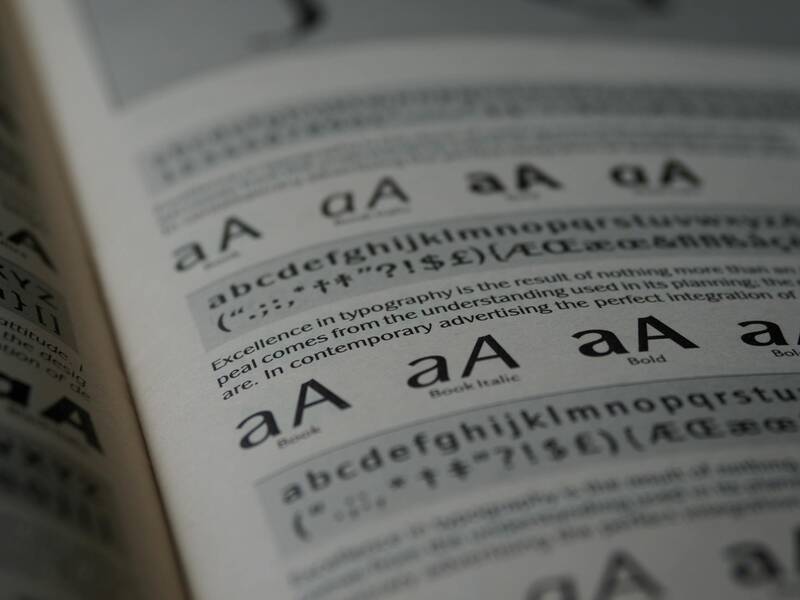
Choosing appropriate typography plays a vital role in overall design. Select a font family that offers good readability, such as sans-serif or serif styles, and utilize various font weights to create hierarchy—larger sizes for headings, slightly smaller for subheadings, and standard sizes for body text. Consistency in font usage throughout the booklet reinforces brand identity and improves user experience.
Incorporating images, icons, and graphics should be done with purpose—supporting content without overwhelming the reader. High-resolution visuals aligned with your message strengthen your branding and provide visual interest. Balance these elements carefully within the layout to maintain clarity and focus.
For content organization, bullet points and numbered lists are effective in breaking down complex information, making it more digestible. Incorporating headings and subheadings further structures the content, allowing readers to scan quickly for relevant details. When designing your small booklet, always consider the target audience and their preferences; a well-tailored design enhances engagement and leaves a memorable impression.
Finally, before proceeding to print, conduct comprehensive reviews and mock-ups of your layout. Use digital proofs or printed samples to assess color accuracy, spacing, and overall visual harmony. Ensuring your design meets all specifications and standards prevents costly errors and guarantees a professional appearance that reflects your brand's credibility and attention to detail.
Understanding Small Booklet Printing
In the realm of print media, small booklet printing offers a versatile and cost-effective solution for businesses, organizations, and individuals seeking to distribute information in a compact, impactful format. This process involves producing booklets with dimensions typically ranging from A6 to A5, often folded and saddle-stitched, to serve a variety of purposes including marketing materials, event programs, instructional guides, and more.
Choosing the right approach for small booklet printing hinges on understanding the various methods available and their respective advantages. Digital printing, for instance, provides quick turnaround times and is ideal for short runs or on-demand printing, making it suitable for customized batches or prototypes. Offset printing, on the other hand, excels in large-volume production, delivering high-quality outputs with consistent color fidelity, which is essential when reproducing detailed graphics and vibrant images.

Hybrid printing techniques are also gaining popularity, combining elements of digital and offset methods, to optimize cost-effectiveness while maintaining superior print quality. The choice of printing technology directly influences factors such as production speed, cost per unit, and the overall aesthetic appeal of the finished booklet.
Paper Stocks and Finishes
The selection of paper stock is crucial in small booklet printing, impacting both tactile experience and visual appeal. Standard options include uncoated, matte, and gloss finishes, each offering distinct advantages. Uncoated papers provide a natural feel and are ideal for foldable pages, while gloss finishes enhance image vibrancy, perfect for photo-heavy content. Matte finishes lend a sophisticated, subdued appearance that reduces glare, beneficial for extensive text-based designs.
Weight and thickness also influence durability and perceived quality. Thicker stocks, such as 80lb or 100lb covers with lighter interior pages, create a professional, sturdy feel, ensuring longevity and ease of handling. Additionally, specialty finishes like UV coating, laminates, or spot Varnish can be applied to specific pages or covers to add gloss, protect against fingerprints, or highlight key elements, thereby elevating the overall presentation.

Ultimately, compatibility with your design, budget, and distribution needs will guide the optimal choice of paper and finish, creating a polished product that resonates with your target audience and reinforces your branding efforts.
Understanding Small Booklet Printing
Small booklet printing is a specialized process that transforms your design ideas into tangible promotional or informational materials. Efficiently producing a booklet that captures attention and communicates effectively requires attention to detailed aspects such as binding, paper choice, and printing technology. Selecting the right configuration involves understanding the scope of your project, from the number of pages to the intended audience, all of which influence the final design and production approach.

Small booklet printing typically involves saddle stitching or perfect binding, each suited for different page counts and durability needs. Saddle stitching employs staples along the spine, ideal for booklets with fewer pages, providing a clean look and cost-effectiveness. Perfect binding, on the other hand, involves gluing the pages into a spine, offering a more polished appearance suitable for larger booklets or those requiring frequent handling. The choice of binding impacts both the aesthetic appeal and functional longevity of your printed material.
Design and Layout Considerations
Creating a compelling small booklet begins with meticulous design planning. An effective layout ensures readability, visual harmony, and alignment with your brand identity. Consistency in margins, font selection, and use of visual elements fosters a professional appearance that draws readers in. Pay attention to the balance between images and text, ensuring that the layout directs the reader’s eye smoothly through the content.
Using grid systems and style guides helps maintain uniformity across pages, which is vital for a cohesive look, especially when multiple designers are involved. Incorporating strategic white space prevents clutter, enhances readability, and allows key messages to stand out. Additionally, consider the hierarchy of information to guide attention effectively — headlines, subheadings, and callouts should be clearly distinguished.
Paper Stocks and Finishes
The tactile quality of your small booklet hinges significantly on your choice of paper stock and finishing techniques. The weight and texture of the paper influence durability and the overall perception of quality. Lightweight papers, such as 80gsm or 100gsm, are suitable for internal pages, providing a good balance between ease of handling and cost. For covers, heavier stocks like 300gsm or more ensure protection and a premium feel.
Finish options like matte, gloss, or satin each serve different aesthetic and functional purposes. Gloss finishes can make images and colors pop, perfect for visually-driven content. Matte finishes provide a subdued look that minimizes glare, ideal for lengthy reading or note-taking sections. Specialized finishes such as UV coating or spot varnishes can be applied selectively to enhance specific elements, creating visual interest and added durability.

Incorporating specialty coatings like laminates or UV coatings not only enhances aesthetic appeal but also protects against wear and tear. When choosing your paper stock and finishes, consider your thematic and branding goals, the environment in which the booklet will be used, and budget constraints to arrive at the most effective combination.
Understanding Small Booklet Printing
Small booklet printing involves producing compact publications that serve a variety of functions, from marketing materials and event programs to instructional guides and promotional brochures. The process is highly versatile, allowing for personalization and customization to meet specific branding and messaging goals. Key considerations include choosing the right dimensions, page count, and binding options to ensure that the final product aligns with its intended purpose. Small booklets are appreciated for their portability and affordability, making them an effective medium for delivering information in a concise yet engaging manner. By selecting appropriate materials and printing techniques, businesses and creators can produce booklets that not only convey their message effectively but also leave a lasting impression.

Design and Layout Considerations
Effective design is critical in small booklet printing, as the limited space necessitates a strategic arrangement of content. Clear hierarchy and visual consistency help guide readers through the material seamlessly. It’s essential to select fonts that are legible at smaller sizes and employ a balanced color scheme to enhance readability. Incorporating engaging visuals, infographics, and callouts can emphasize important points without overwhelming the pages. When planning the layout, consider margins and gutters carefully to avoid text or images being cut off during trimming or binding. Consistent branding elements, such as logos, color schemes, and style guides, contribute to a professional appearance, reinforcing brand recognition. Utilizing grid systems in design software ensures alignment and coherence across all pages, creating a polished final product.
Paper Stocks and Finishes
The tactile quality of your small booklet hinges significantly on your choice of paper stock and finishing techniques. The weight and texture of the paper influence durability and the overall perception of quality. Lightweight papers, such as 80gsm or 100gsm, are suitable for internal pages, providing a good balance between ease of handling and cost. For covers, heavier stocks like 300gsm or more ensure protection and a premium feel.
Finish options like matte, gloss, or satin each serve different aesthetic and functional purposes. Gloss finishes can make images and colors pop, perfect for visually-driven content. Matte finishes provide a subdued look that minimizes glare, ideal for lengthy reading or note-taking sections. Specialized finishes such as UV coating or spot varnishes can be applied selectively to enhance specific elements, creating visual interest and added durability.
Selection of paper stock and finish options elevates the tactile appeal of your booklet. Incorporating specialty coatings like laminates or UV coatings not only enhances aesthetic appeal but also protects against wear and tear. When choosing your paper stock and finishes, consider your thematic and branding goals, the environment in which the booklet will be used, and budget constraints to arrive at the most effective combination.
Printing Methods and Technologies
The choice of printing technology significantly impacts the quality, speed, and cost of small booklet production. Digital printing is ideal for short runs and customized projects, offering quick turnaround times and the ability to make last-minute edits without additional setup costs. Lithographic or offset printing, on the other hand, is more suitable for larger quantities, providing superior color fidelity and consistency across batches. Advances in printing technology permit high-resolution outputs with vibrant color reproduction and fine detail, essential for visually-rich content.
Specialized finishing techniques such as foil stamping, embossing, or spot UV printing can be integrated into the process to add texture and visual intrigue. Additionally, embossing or debossing can highlight logos or design elements by creating a tactile dimension. Selecting the most appropriate printing method depends on your project’s volume, budget, and desired quality level. Collaborating with a reputable printer ensures that the chosen technology aligns with your specifications and delivers a professional end product.
Quantities, Pricing, and Budgeting
Determining the right quantity for your small booklet project involves evaluating your distribution goals, audience size, and budget constraints. Generally, printing in bulk reduces the per-unit cost, making larger orders more economical. However, digital printing provides flexibility for small quantities without sacrificing quality. It’s important to get detailed quotes from different printing providers, considering factors like paper quality, binding, finishes, and turnaround time.
Budget planning should also account for design costs, proofing, and any additional finishes or special effects. Negotiating package deals or volume discounts can help manage expenses, especially for ongoing or recurring projects. For campaigns targeting specific events or short-term promotions, choosing a smaller print run with digital printing can minimize waste and ensure freshness of content. Overall, aligning your printing volume with your marketing needs and budget ensures a cost-effective approach that maintains quality standards.
Ensuring Superior Quality and Consistent Results in Small Booklet Printing
Achieving high-quality small booklet printing requires meticulous attention to detail throughout each stage of production. From initial design to the final inspection, maintaining strict quality control measures guarantees that the finished product aligns with your expectations and project specifications.
One of the most critical steps is reviewing and approving proofs before the full run. Digital or printed proofs allow you to examine color accuracy, image clarity, and binding integrity. This process helps identify potential issues early, reducing the risk of costly reprints and ensuring the final print maintains a professional appearance.
During production, regularly inspecting samples at various stages ensures consistency in color matching, ink coverage, and paper handling. Skilled print technicians monitor machine calibration and print quality, catching discrepancies before they affect the entire batch. This vigilance facilitates the identification of any malfunctioning equipment or material inconsistencies.
Comprehensive quality assurance extends to verifying binding sturdiness, fold accuracy, and finishing touches such as embossing, foiling, or coating. These detailed inspections help detect imperfections like misalignments, smudges, missed edges, or uneven coatings, which can detract from the overall presentation of the booklet.

When working with a professional printing partner, ensure they adhere to established quality standards and ask about their quality control processes. Transparent communication about your expectations, along with regular oversight during production, plays a vital role in achieving a polished, durable finished product.
Final Inspection and Delivery Preparation
Before accepting the completed print run, conduct a comprehensive final inspection. Verify the correctness of content, colors, and overall appearance. Confirm the binding is secure, pages are properly aligned, and any special finishes or foils are applied accurately. This diligence prevents issues from reaching your audience and helps uphold your brand's professionalism.
Effective packaging and secure transportation are essential to preserve the quality of your small booklets during delivery. Collaborate with your printer to establish appropriate packing methods that prevent damage, such as bubble wrap or custom cartons. Clear communication about delivery timelines ensures your materials arrive on schedule, ready for distribution at events, retail outlets, or direct mail campaigns.
Understanding Small Booklet Printing
Small booklet printing involves the production of compact, portable booklets that serve various informational, promotional, or educational purposes. These booklets typically feature a concise format, often ranging from 8 to 48 pages, making them ideal for distributing core messaging efficiently. The process encompasses several essential steps, including design development, material selection, printing techniques, and final finishing. When executed with precision, small booklet printing creates highly impactful materials that effectively communicate a brand’s message, highlight key information, or enhance customer engagement.

Choosing the Right Printing Method
Selecting the appropriate printing technology is pivotal for achieving the desired quality and cost efficiency. Digital printing is often preferred for small runs due to its quick turnaround and cost-effectiveness; it allows for rapid customization and minimal setup, making it suitable for promotional or limited-edition booklets. Conversely, offset printing offers superior color accuracy and consistent quality for larger quantities, providing a polished look with vibrant hues and detailed graphics.
Paper and Finishing Options
Paper selection significantly impacts the tactile experience and durability of your small booklet. Choosing a sturdy cardstock or coated paper enhances quality and gives a premium feel, especially for marketing materials and product catalogs. Finishing options such as gloss or matte coatings, lamination, embossing, or foil stamping can elevate the visual appeal. These enhancements offer additional protection against wear and tear, ensuring your booklet retains its professional appearance over time.
Customization and Binding Techniques
Binding plays a critical role in both functionality and aesthetic appeal. Saddle stitching is the most common method for small booklets, where staples hold the pages together along the fold. For a more refined presentation, options like perfect binding or section sewing can be considered, especially if the booklet contains numerous pages or requires a more durable finish. Customizable covers with embossed logos or metallic foils can further reinforce branding efforts and make your publication stand out.
Quality Assurance and Final Inspection
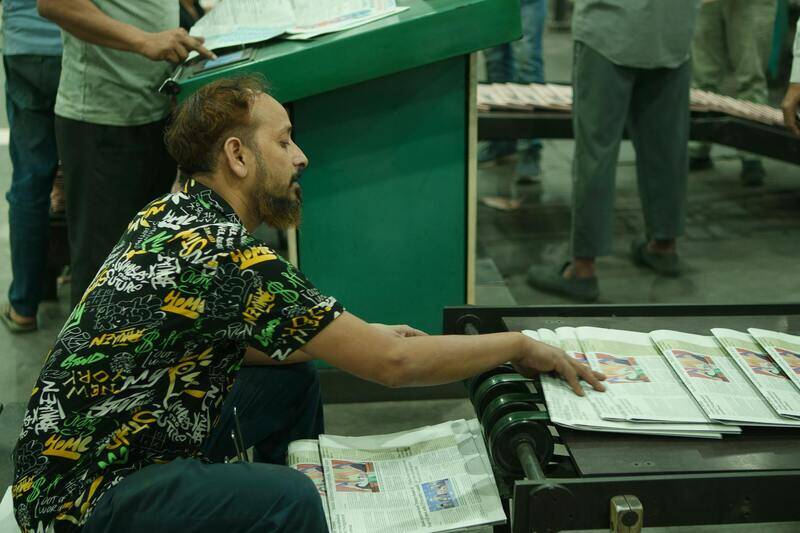
To ensure the finished product aligns with your expectations, implementing thorough quality checks is essential. This includes verifying that colors match your original design specifications, pages are correctly aligned, and the binding is secure. Inspecting any finishing touches like embossing, foiling, or coating ensures consistency across print runs. Engaging with a reputable printing partner who adheres to strict quality standards facilitates the delivery of polished, professional booklets that leave a lasting impression on your audience.
Effective Packaging and Delivery
Proper packaging safeguards your small booklets during transit. Using protective materials such as bubble wrap, shrink wrap, or custom-made cartons minimizes the risk of damage. Clear communication regarding delivery timelines ensures that shipments arrive on schedule, ready for distribution at events, retail locations, or via direct mail. Collaborating closely with your printer during this phase helps maintain the integrity and presentation quality of your materials until they reach your target recipients.
