
Understanding the Importance of Fast Printing
In today's dynamic business environment and fast-paced personal projects, the ability to secure quick turnaround times for printing needs is essential. Whether it's preparing marketing materials, event banners, or last-minute reports, the duration from submission to completion can significantly influence the success of a campaign or the smooth execution of an event. The demand for fast printing services has grown notably in Singapore, where deadlines are tight and competition fierce.
Fast printing ensures that organizations and individuals can adapt rapidly to changing circumstances. For instance, marketing teams often require last-minute brochures, flyers, or banners to seize immediate promotional opportunities or respond to market trends. Event planners depend on quick print solutions for tickets, signage, and program booklets to meet tight schedules. Similarly, professionals working on urgent projects need reliable services that deliver quality within critical timeframes, enabling them to meet their commitments confidently.

The impact of fast printing extends beyond mere time savings. It plays a vital role in maintaining brand consistency, professionalism, and customer satisfaction. Companies that rely on rapid turnaround times can capitalize on immediate sales opportunities, stay ahead of competitors, and enhance their reputation for reliability. Individuals benefit from the convenience of quick service when preparing for significant occasions such as conferences, expos, or school projects. Overall, the capacity to print swiftly without compromising quality offers a competitive edge and peace of mind in various sectors.
In Singapore, where business agility is highly valued, fast printing services have become indispensable. They support a broad spectrum of needs—from the quick production of high-quality banners for trade shows to the immediate printing of informative leaflets for community events. The availability of such solutions empowers local enterprises and individuals to operate with greater flexibility, turning around projects that require urgent attention and ensuring deadlines are consistently met.
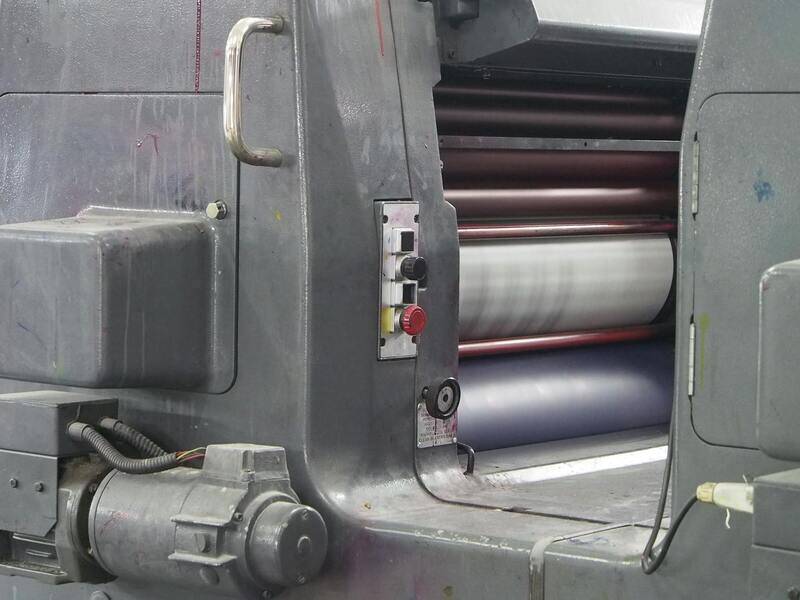
Ultimately, the significance of fast printing lies in its capacity to bridge the gap between necessity and delivery. As printing technology continues to evolve, the speed and quality of output remain critical factors that influence client satisfaction and operational efficiency. Whether for commercial, academic, or personal purposes, quick and reliable printing options are indispensable for anyone aiming to meet strict deadlines and uphold high standards of presentation and professionalism.
Leveraging Official Methods for Accelerated Printing Turnaround
Achieving rapid print results hinges on deploying well-established, legitimate techniques that optimize the printing process while maintaining high standards of quality. Commercial-grade digital printing stands at the forefront of this approach, providing instant production capabilities tailored for small to medium batch runs. Unlike traditional methods, digital printing eliminates the need for lengthy plate creation, significantly reducing setup times and allowing for swift responses to urgent requests.
In addition, high-quality printing equipment with automatic feed systems and high-speed capabilities can substantially elevate output efficiency. State-of-the-art digital presses from reputable manufacturers are engineered to handle large volumes at remarkable speeds without sacrificing precision—ensuring that every printed item aligns with professional standards.
Offset printing, when combined with advanced technology, can also support expedited jobs—especially for larger runs—by utilizing rapid setup processes like fast plate changing and automated color adjustments. Maintaining the equipment with regular, official servicing guarantees optimal performance, minimizing downtime and ensuring quick turnaround times.
Strategic Workflow Management for Rapid Outcomes
Streamlining workflows involves meticulous planning and adherence to proven standards. Organizing print jobs with clear specifications and electronic file formats reduces errors and accelerates processing. Implementing digital prepress processes ensures files are print-ready, avoiding delays caused by last-minute adjustments.
- Automated file preparation and proofing systems ensure accuracy and speed.
- Pre-printed templates and standardized procedures minimize manual interventions.
- Dedicated high-speed offline storage facilitates quick retrieval of materials and resources.
Furthermore, establishing direct communication channels between clients and printers streamlines clarification processes on design and specifications, avoiding miscommunications that can slow down production. Using online ordering portals with integrated file uploads and status tracking promotes transparency and allows clients to monitor progress in real-time, facilitating prompt decision-making.
Optimizing Material Handling and Storage
Keeping a stock of commonly used printing materials, such as standard paper sizes and compatible inks, ensures immediate availability for scheduled jobs. Efficient inventory management reduces delays caused by procurement processes, enabling quick responses to print requests. Additionally, pre-qualifying suppliers and establishing reliable partnerships with vendors guarantees a steady supply of quality raw materials, thereby avoiding disruptions to the printing schedule.
Equipment calibration and routine checks are also essential. Properly calibrated devices produce consistent results at high speeds, preventing reprints and minimizing waste—critical factors in maintaining rapid output without compromising quality.
Conclusion: Implementing Best Practices for Expedient Printing
Mastering fast printing through legitimate methods involves a combination of cutting-edge technology, streamlined workflows, strategic material management, and clear communication. These approaches collectively ensure that printing projects are delivered swiftly while adhering to high-quality standards, fostering client trust and operational efficiency. Constant evaluation of process efficiencies and investment in reliable equipment form the foundation for consistently achieving speedy results in a competitive environment.
Factors Influencing Printing Turnaround Time
Achieving rapid printing results depends on a complex interplay of multiple factors that must be meticulously managed. One of the primary considerations is the selection and optimization of printing equipment. High-speed digital and inkjet printers equipped with advanced technology can significantly reduce production time without sacrificing clarity and detail. These machines utilize rapid ink drying systems and high-capacity paper feeds, enabling continuous operation over extended periods, thus minimizing downtime and ensuring swift throughput.

Material handling procedures also play a pivotal role. Automated paper feeders, precise alignment systems, and streamlined workflow processes help minimize manual intervention and reduce potential errors. Properly calibrated printers maintain consistent print quality at higher speeds, which prevents reprints and reprocessing, thereby expediting project completion. Routine maintenance and calibration are essential to sustain high performance, as they prevent common issues such as paper jams, ink smudges, or inconsistent color output that can delay the entire production cycle.
Moreover, digital workflows—including pre-press preparations such as file formatting, color management, and proofing—aid in reducing the time required for setup. Efficient file preparation ensures seamless printing execution, avoiding delays caused by format incompatibilities or the need for adjustments during the actual print run. This requires close communication between clients and service providers to clarify specifications beforehand, ensuring that the printing process proceeds smoothly from start to finish.
Strategic workflow management, including batching similar jobs together, can capitalize on the speed capabilities of high-grade equipment. By grouping tasks that share paper types, colors, or finishing requirements, printers can switch less often and reduce the setup time between different projects. This approach not only speeds up individual jobs but also improves overall productivity, especially during peak demand periods.
Controlling External Variables
External factors such as supply chain reliability for inks, papers, and other materials can influence turnaround times. Maintaining strong relationships with suppliers and pre-ordering essential materials ensures immediate availability, eliminating processing delays. Additionally, establishing contingency plans for sudden surges in demand or technical issues is vital for maintaining consistent rapid turnaround services.
Another aspect is the integration of real-time communication tools. Keeping clients informed about progress and receiving prompt approval or feedback reduces the waiting period between production and delivery. Clear communication channels also facilitate quick decision-making if any adjustments are necessary, allowing the workflow to proceed without unnecessary interruptions.
Implementing Best Practices
- Regularly update and calibrate printing equipment to sustain high speed and quality.
- Optimize file processing workflows to minimize setup time.
- Streamline material handling through automation and effective inventory management.
- Maintain proactive communication with suppliers and clients for timely decisions and supplies.
- Batch similar jobs to maximize equipment utilization and reduce transitions.
- Invest in staff training focused on fast and accurate operations.
By precisely managing these factors, organizations can effectively ensure rapid throughput, meeting tight deadlines and high-volume demands efficiently. When these practices are executed cohesively, the result is a consistently swift printing process that upholds quality standards and exceeds client expectations.
Understanding the Importance of Fast Printing
In today’s competitive marketplace, the ability to deliver printed materials swiftly while maintaining high quality is crucial for businesses and individuals alike. Fast printing ensures that marketing campaigns, event materials, or urgent business documents are ready within tight deadlines, allowing companies to capitalize on timely opportunities. This efficiency significantly enhances operational flow, enabling organizations to respond rapidly to client demands or market changes without compromising on print quality.

Moreover, rapid printing capabilities reduce project turnaround times, which is especially vital during high-demand periods or in industries where time-to-market is a competitive factor. The capacity to produce large volumes quickly not only handles high-volume orders effectively but also minimizes bottlenecks often caused by slower printing processes. Thus, investing in fast printing methods translates to a strategic advantage by supporting quick decision-making and swift execution of marketing or operational plans.
Types of Printing Methods Optimized for Speed
There are several printing methods that inherently support high-speed production while ensuring quality output. These include:
- Digital Printing: Known for its quick setup and fast turnaround, digital printing excels in producing small to medium print runs efficiently. It allows for on-demand printing, customization, and eliminates the need for extensive setup procedures associated with traditional methods.
- Large Format Printing: Ideal for banners, posters, and billboards, large format printers are designed to handle sizeable materials rapidly, making them suitable for projects requiring quick delivery with high visual impact.
- Offset Printing with Rapid Turnaround Options: While traditionally more time-consuming, advancements now enable offset printers to provide faster service, particularly for large print runs, with the aid of technology that accelerates setup times.
- Flexographic and Screen Printing: These methods are optimized for high-volume orders, particularly for packaging, apparel, and promotional items, enabling rapid production with consistent quality across large quantities.
Key Features of High-Speed Printing Equipment
Modern fast printing systems incorporate several features that optimize speed without sacrificing quality. Among these features are:
- High Automation Levels: Automated paper handling, color management, and calibration reduce manual intervention, decreasing processing time and operational errors.
- Advanced Print Head Technologies: High-definition, durable print heads enable rapid printing speeds, particularly in digital and large format printers, with precise color reproduction.
- Enhanced Material Handling: Automated feeders and stackers streamline the loading and unloading processes, making multi-job runs more efficient.
- Robust Connectivity and Software Integration: Seamless integration with design and workflow management software allows for quick file processing, pre-press adjustments, and job queue management.
- Eco-Friendly and Energy-Efficient Design: These features support sustainable production while maintaining high throughput, aligning operational efficiency with environmental responsibility.
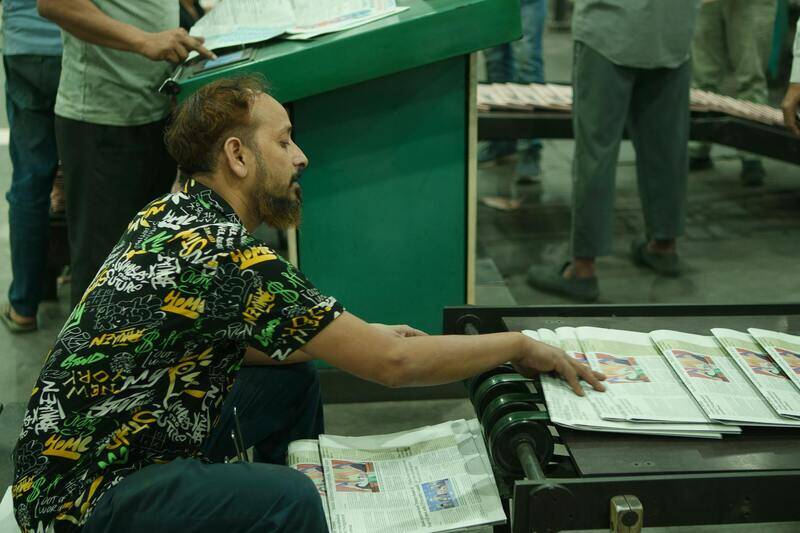
Modern high-speed printers are equipped with automation and advanced technology to ensure rapid, consistent results. Implementing these features within printing equipment ensures continuous operations, minimal downtime, and the ability to handle diverse projects efficiently. For organizations relying on quick turnarounds, investing in such advanced printing technology is fundamental to maintaining competitiveness and fulfilling client expectations consistently while adhering to tight schedules.
Understanding the Importance of Fast Printing
In today’s highly competitive and fast-paced business environment, the need for swift and reliable printing services has become more vital than ever. Fast printing enables organizations to meet tight deadlines, respond promptly to client demands, and execute marketing campaigns with agility. Whether it’s producing promotional flyers, event banners, or business documents, the ability to deliver high-quality prints within a short timeframe can significantly influence operational efficiency and customer satisfaction.
Moreover, fast printing solutions help reduce inventory holding costs by enabling on-demand production. This flexibility mitigates overstocking of printed materials and allows companies to adapt to changing market trends quickly. Quick turnaround times are especially crucial for time-sensitive projects such as product launches, press events, or urgent client requests. By investing in expedited printing capabilities, businesses position themselves to capitalize on opportunities without delays that could impede growth or damage reputations.
The Impact of Speed on Business Productivity and Client Relations
- Enhanced Productivity: Rapid printing of large volumes supports operational workflows, allowing teams to focus on core tasks without bottlenecks.
- Customer Satisfaction: Timely delivery of printed products strengthens client trust and demonstrates organizational reliability.
- Market Competitiveness: Quick execution of print projects enables businesses to stay ahead of competitors, especially in industries where timing is critical.
- Cost Efficiency: Fast turnaround reduces the need for last-minute rush orders and minimizes project delays that can lead to increased expenses.
Ensuring Quality Despite Rapid Production
Achieving fast printing does not mean compromising on quality. Advances in print technology, precision automation, and sophisticated software systems allow providers to maintain high standards even at accelerated speeds. Automated quality control checks, real-time color calibration, and robust material handling systems ensure consistent results, so business owners can rely on speed without sacrificing clarity, color accuracy, or durability.

High-speed printers incorporate advanced features that deliver quick yet precise results for diverse needs Furthermore, the integration of digital workflows with high-speed equipment allows for seamless file transfer, prepress adjustments, and job management. This synchronization minimizes manual interventions and reduces the risk of errors, thus facilitating faster production cycles. With such comprehensive systems, printing providers can handle complex projects, including large-format banners, detailed brochures, and custom packaging, all within demanding timeframes.
Strategic Alignment of Speed and Productivity
To leverage the full advantages of fast printing, it’s essential for organizations to match their project requirements with the appropriate technology and service providers. Assessments based on project volume, complexity, and quality standards help determine the best solutions for quick turnaround needs. For example, digital printing methods excel in short runs requiring fast turnaround, while large-format digital presses cater to high-volume poster or banner production without sacrificing speed.
In conclusion, adopting rapid printing solutions materially benefits businesses by supporting agility, reducing costs, and improving customer interactions. Efficient workflows, advanced machinery, and a focus on precision enable providers to maintain rapid yet reliable production processes—delivering exceptional results at a pace that keeps up with today’s dynamic market demands.
Understanding the Importance of Fast Printing
In today’s rapidly evolving marketplace, the ability to produce printed materials swiftly is vital for maintaining competitive advantage. Fast printing ensures that businesses can meet tight deadlines, respond quickly to customer demands, and capitalize on time-sensitive marketing opportunities. Quick turnaround times also enable organizations to iterate on designs efficiently, facilitating a more agile approach to campaign adjustments and print revisions. Whether it's urgent marketing flyers, last-minute event banners, or time-critical packaging, the capacity for rapid production bolsters operational flexibility and allows for real-time responsiveness.
Types of Printing Methods Optimized for Speed
Several printing techniques are particularly suited to high-speed production demands:
- Digital Printing: Known for its fast setup times and ability to produce short to medium runs efficiently, digital printing eliminates the need for plates, significantly reducing production time.
- Large-Format Digital Printing: Ideal for banners, posters, and signage, this method delivers large, high-quality outputs promptly, suitable for large-scale visual communications.
- Offset Printing with Fast Turnaround Capabilities: When configured for quick setup, offset presses can handle high-volume jobs with a reasonable turnaround, especially for bulk printing needs where quality consistency is paramount.
- Inkjet and Laser Printing: These methods are optimal for on-demand printing of personalized materials, labels, and direct mail, often completed within minutes to hours, depending on the volume.

Cutting-edge printing equipment designed for speed and precision Key Features of High-Speed Printing Equipment
High-speed printing units incorporate several technological advancements to streamline production while maintaining quality:
- Rapid Drying Technologies: Quick-drying inks and coatings reduce wait times between print processes, allowing for immediate handling or finishing.
- Automated Load and Unload Systems: These features enable continuous operation with minimal manual intervention, reducing downtime between jobs.
- Advanced Print Heads: Multiple high-frequency nozzles facilitate faster printing speeds without sacrificing accuracy or detail.
- High-Capacity Paper Feeders: Large input trays lower the frequency of reloads, keeping the workflow smooth and uninterrupted.
- Integrated Workflow Management Software: Seamless file transfer, job scheduling, and real-time monitoring optimize productivity and reduce errors.

Modern machinery designed to maximize throughput and quality Factors Influencing Printing Turnaround Time
Several key elements impact how quickly a printing project can be completed:
- Artwork Preparation: Well-prepared and high-resolution digital files reduce delays caused by adjustments or reprints.
- Job Complexity: Simple designs and straightforward formats generally result in faster processing compared to intricate, multi-layered projects.
- Type of Material: Thicker or specialty substrates may require additional handling time or specific drying conditions.
- Equipment Capacity: State-of-the-art, high-capacity digital presses can handle larger jobs more swiftly than older machinery.
- Workflow Efficiency: Well-organized processes, from file submission to delivery, significantly influence overall turnaround times.
Choosing the Right Fast Printing Service Provider
Selecting a knowledgeable and reliable printing partner is crucial for achieving speedy and dependable results. Consider providers with proven expertise in handling urgent projects, equipped with advanced machinery and streamlined workflows. An experienced service provider also offers counsel on optimizing artwork files, selecting appropriate materials, and ensuring accurate job specifications. Transparent communication and clear deadline commitments further reinforce confidence in their ability to deliver on time, even under tight schedules.
Additional Factors Impacting Printing Turnaround Time
While selecting a high-speed printer is essential, understanding the operational aspects that contribute to quick delivery is equally important. These factors include:
- Prepress Preparation: Properly prepared digital files, including correct color profiles and optimized resolution, help reduce processing delays. Ensuring files are free of errors and formatted correctly minimizes back-and-forth adjustments.
- Workflow Automation: Modern fast printing setups leverage automation tools, such as job queuing and digital workflows, to streamline the transition from file submission to printing. Automated color management and file verification expedite the start of production.
- Material Handling and Inventory Management: Maintaining an organized inventory of commonly used substrates and consumables minimizes downtime. Additionally, swift material handling processes ensure continuous production without interruptions.
- Maintenance and Calibration of Equipment: Regular servicing and calibration ensure consistent output quality and prevent unexpected machine downtimes, keeping printing speeds at optimal levels.
- Staff Expertise: Skilled operators proficient in digital press operation can troubleshoot issues swiftly, making adjustments on the fly and maintaining throughput.

Ensuring efficient workflow with well-trained staff and automated processes enhances overall turnaround speed. How to Optimize Your Printing Projects for Speed
Efficiency in printing isn't solely reliant on machinery; it also involves strategic planning and communication. Here are some best practices:
- Clear and Precise Artwork Files: Submit files that are correctly formatted, high resolution, and color-optimized to prevent delays caused by necessary revisions.
- Specify Job Requirements Explicitly: Detailed instructions regarding materials, finishes, and size specifications help the service provider prepare accurately and prevent missteps that could slow down production.
- Prioritize Simplicity When Possible: Favor straightforward designs in urgent scenarios. Complex artwork with multiple layers or special finishes may require more handling time.
- Plan and Book in Advance: Even for fast printing, planning helps allocate resources efficiently and ensures prompt service delivery.
- Maintain Open Lines of Communication: Regular updates and feedback allow rapid adjustments, reducing the risk of errors and reprints.

Effective planning and communication are key to achieving rapid turnaround times without sacrificing quality. Selecting the Ideal Fast Printing Partner
Partnering with a reputable and experienced printing provider ensures that your urgent projects are completed accurately and on time. To select the right partner, consider these aspects:
- Proven Track Record: Look for providers with a history of handling rush jobs successfully and delivering consistent quality.
- Advanced Machinery and Technology: State-of-the-art digital presses equipped with high-capacity and quick-drying features facilitate faster turnarounds.
- Streamlined Workflow: A well-organized process, from digital file intake through production to delivery, minimizes delays.
- Transparent Communication: Clear timelines, progress updates, and willingness to accommodate tight schedules build trust and confidence.
- Customer Support and Flexibility: Responsive service teams that understand the urgency and can adapt to evolving project needs are invaluable.
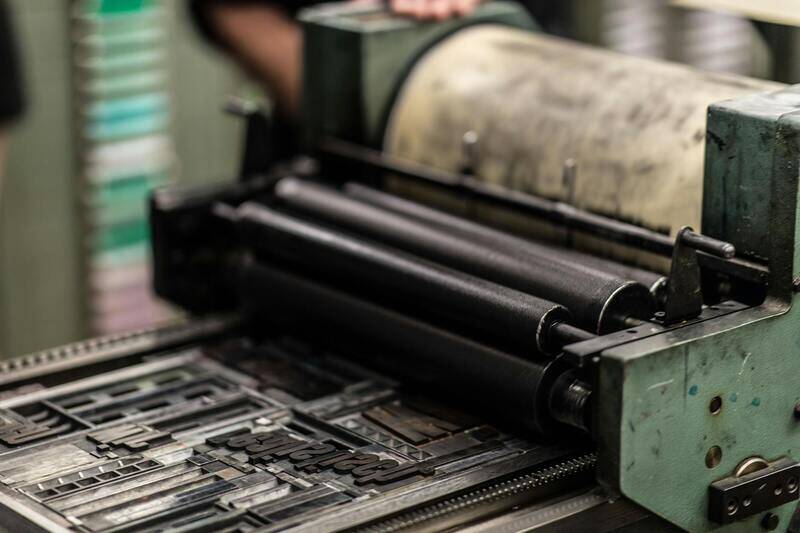
Choosing a dependable printing partner with cutting-edge technology and reliable workflows guarantees rapid, high-quality results. Leveraging Professional Services for Rapid Turnarounds
Engaging specialized printing services that focus on speed and quality can dramatically reduce project delivery times. These providers often offer options like next-day or even same-day turnaround, ensuring that deadlines are consistently met.
Such services typically include features like dedicated account managers who coordinate closely with clients, priority processing of urgent jobs, and dedicated troubleshooting support. Additionally, they often provide flexible schedule options, allowing clients to specify exact delivery timings for critical campaigns or events.
Ultimately, investing in professional, fast printing services is an effective strategy for businesses that require reliable, prompt results while maintaining high standards of print quality and customer satisfaction.
Maximizing Efficiency in Fast Printing: Strategies for Exceptional Turnaround
Achieving rapid printing results requires meticulous planning, the right technological tools, and optimized workflows. To ensure quick and precise output, it is critical to integrate official and proven methods that streamline the entire printing process. These methods encompass everything from digital file management to equipment selection, all aimed at reducing downtime and improving overall productivity.
Preparing Digital Files for Fast Processing
Effective preparation of digital files is the cornerstone of fast printing. Files should be formatted according to specifications, with high-resolution images and clean, vector-based graphics to prevent issues during printing. Using standardized templates reduces processing time and minimizes errors, ensuring that the printing process begins without unnecessary delays.
- Convert files to universally compatible formats such as PDF/X or TIFF.
- Embed fonts and ensure color profiles are correctly set to prevent color mismatches.
- Remove unnecessary layers or elements that could slow down processing or cause errors.
- Check for and correct any resolution issues, ideally maintaining 300 dpi for print clarity.
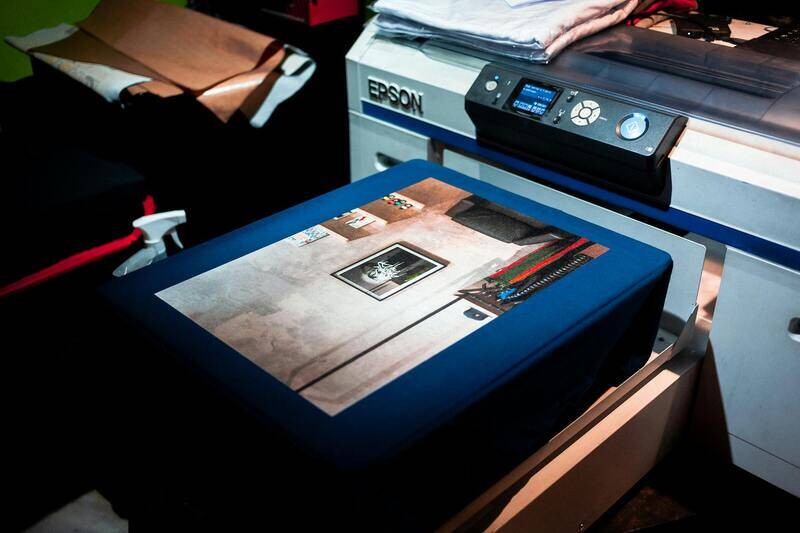
Optimized Digital Files for Efficient Printing Leveraging Advanced Software and Connectivity
Utilizing high-performance printing management software that integrates seamlessly with digital file sources can significantly cut down processing times. Software that automates tasks like color correction, imposition, and preflight checks helps ensure that files are print-ready upon submission.
Furthermore, reliable connectivity solutions such as high-speed Ethernet or direct server access facilitate quicker transfer of large files, especially for high-volume jobs. Cloud-based platforms also allow for rapid remote access and job submission, streamlining workflows and reducing wait times.
Choosing High-Speed Printing Hardware
The selection of cutting-edge digital presses designed with high throughput in mind directly influences turnaround speed. Features to consider include multi-color capabilities, quick-drying inks, and high-capacity paper feeders. These attributes enable continuous printing without frequent interruptions for reloading or maintenance.
Furthermore, machines equipped with automation features such as automatic paper loading, inline finishing, and intelligent error detection minimize manual intervention, ensuring consistent speed and quality. Investing in equipment that supports swift operational cycles ensures deadlines are met consistently.
Implementing Efficient Workflow Management
Establishing a streamlined workflow minimizes downtime and maximizes productivity. This involves setting clear procedures for each stage—from file intake and prepress checks to printing and finishing. Assigning dedicated personnel for job coordination ensures that potential issues are swiftly addressed and that priorities are correctly managed.
Using project management tools or workflow automation software helps monitor progress and identify bottlenecks. A well-organized schedule that accounts for prep time, machine warm-up, and maintenance schedules enables uninterrupted production runs that align with tight timelines.
Optimizing Material Handling and Supply Chain Management
Maintaining an efficient supply chain with adequate high-quality print materials reduces delays caused by stock shortages or supply inconsistencies. Pre-negotiated relationships with trusted suppliers guarantee the availability of various media and inks, allowing for immediate response to urgent printing requests.
Proper inventory management, with real-time tracking of stock levels, ensures that essential materials are always on hand, preventing workflow interruptions.
Training and Skilled Workforce Deployment
Having a well-trained team that understands both the technical aspects of high-speed printing equipment and the importance of meticulous quality control is vital. Skilled operators can swiftly troubleshoot issues, perform routine maintenance efficiently, and adapt to different job requirements without sacrificing speed or quality. Continuous training programs help keep staff updated on the latest technology and best practices, fostering an environment of operational excellence.
Maintaining Equipment for Peak Performance
Regular maintenance schedules are essential to prevent equipment failures and ensure consistent performance. Routine cleaning, calibration, and timely replacement of wear parts extend the lifespan of high-speed printing machines and sustain their operational efficiency. Well-maintained equipment reduces unexpected downtimes, allowing for continuous operations aligned with accelerated project timelines.
Emerging Technologies Enhancing Speed and Accuracy
Recent innovations, such as automation in color management and inline quality control systems, contribute to faster and more consistent outputs. Robotics and artificial intelligence integrations streamline tasks like loading, sorting, and finishing, further reducing manual intervention and errors.
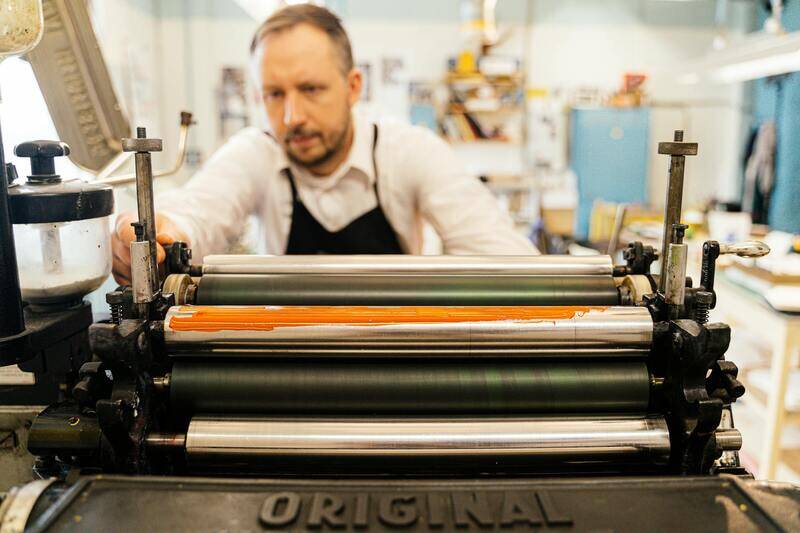
Innovations in Speedy Printing Technologies By adopting these official, proven techniques, businesses and professionals can significantly improve their fast printing capabilities. Efficient file management, advanced equipment, optimized workflows, and continuous technological enhancements collectively enable rapid turnaround while maintaining top-tier quality standards. This strategic approach empowers organizations to meet demanding deadlines confidently and deliver impressive results every time.
